

Beat the San Antonio Heat: The Complete Guide to Ceramic Auto Window Tint
Step into a car that has been sitting in a San Antonio parking lot in July and you do not just feel heat, you feel punishment. The steering wheel stings. The seatbelt buckle feels like a branding iron. The air inside hangs heavy like it has been trapped in an oven all afternoon. For local drivers, that is not a rare event. It is a routine part of summer.
That is exactly why ceramic auto window tint has become such a smart upgrade for South Texas vehicles. This is not the cheap, purple-fading film people remember from decades ago. Modern ceramic tint is engineered for serious heat rejection, strong uv protection, and daily driving comfort without the drawbacks that come with older products.
If you are comparing film options for your car windows, this guide breaks down what ceramic tint is, how it works, why it performs so well in brutal summer heat, and what makes it worth the investment for drivers in San Antonio.
Why San Antonio Drivers Need More Than Basic Window Tint
Factory glass may look slightly shaded, but stock windows usually do very little to stop the kind of heat that turns your vehicle into a rolling greenhouse. They can cut some brightness, sure, but they are not built to block the infrared rays and harmful uv rays that make a parked car feel unbearable.
That matters in a place where long stretches of sunshine are part of everyday life. The Texas sun does not politely warm your car. It pounds through the glass, heats interior surfaces, and keeps building temperature inside until your dash, seats, and car windows start radiating heat back at you. Good window tint is not just about style anymore. In this climate, it is about survival, comfort, and protecting the vehicle you rely on.
What Is Ceramic Auto Window Tint?
Ceramic auto window tint is a premium automotive window tint made with non-metallic, nano-ceramic particles embedded into the film. These microscopic ceramic materials are designed to block a significant amount of heat, uv rays, and glare without depending on dyes or metals.
That is the big difference. Traditional tint often relies on dyed layers to darken car windows. Those lower-end products may look decent at first, but over time the sun can break them down. That is when you start seeing bubbling, peeling, discoloration, and that unmistakable purple cast. Ceramic window technology is built for a much higher level of performance. It is engineered to last, engineered to stay stable, and engineered to keep your car cool in conditions that destroy bargain film.
How Ceramic Tint Works at the Molecular Level
The phrase “nano-ceramic” can sound like marketing fluff until you understand what it actually means. Ceramic tint contains extremely small ceramic particles layered into the window film. These particles are invisible to the eye, but they are highly effective at blocking solar energy, especially infrared heat.
Think of it like a microscopic shield spread evenly across your car windows. Instead of simply making the glass darker, ceramic film targets the wavelengths responsible for heat buildup. That includes infrared rays, which are a major reason your car feels so hot even when the tint does not look extremely dark. A quality ceramic window product can reject heat with precision, helping keep cabin temperatures more manageable while preserving visibility and a clean appearance.
The Real Benefit: Heat Rejection That You Feel Every Day
This is where ceramic tint separates itself from lower-grade options. The biggest selling point is not that it looks sleek on your car, though it absolutely does. The real value is that it makes the vehicle more comfortable every single day.
When ceramic window film blocks a high percentage of infrared heat, your interior does not absorb as much solar energy. That means your seats, dash, console, and steering wheel do not get as scorching. Your AC does not have to fight as hard. Your car cools down more quickly after startup. Even while driving in full sun, the cabin stays more stable and comfortable.
For anyone commuting across San Antonio, sitting in school pickup lines, running jobsite appointments, or parking outside all day, that difference is not subtle. It is the difference between climbing into a car that feels punishing and one that feels manageable.
Ceramic Tint and UV Protection
Heat gets most of the attention, but uv protection is just as important. Premium ceramic tint can block up to 99% of harmful uv rays, which helps protect both people and interiors.
That matters for your skin during long hours of driving, but it also matters for the life of your car. UV rays contribute to fading, cracking, and premature wear on leather, vinyl, plastics, and trim. Over time, direct exposure can bleach color out of seats, damage dashboards, and leave your interior looking older than it should. Ceramic tint adds a serious layer of protection that helps preserve the condition of your vehicle.
If you have ever noticed one side of a car interior looking more worn because it gets more sun exposure, you have already seen the damage uv rays can do. Ceramic film helps block that slow daily punishment.
No Metal Means No Signal Interference
One of the most practical advantages of ceramic window film is what it does not contain. Because ceramic tint is non-metallic, it does not create the same signal interference issues associated with some older metallic film products.
That means your phone signal, GPS, Bluetooth, satellite radio, and toll tag performance can keep working the way they should. In modern vehicles loaded with electronics, that is a major benefit. Drivers want heat rejection and protection, but they do not want to trade that for spotty navigation or a toll tag that suddenly becomes unreliable. Ceramic tint gives you both high performance and compatibility with the technology you use every day.
Darker Does Not Always Mean Better
A lot of drivers assume the darkest tint must be the most effective. That is not always true. Shade and performance are not the same thing.
A low-quality dyed tint may look darker on car windows but still do a mediocre job blocking heat. Meanwhile, a high-quality ceramic tint in a lighter shade can outperform it where it counts. That is one of the reasons ceramic auto window tint has become such a premium choice. It gives drivers more options to match their style, legal requirements, and visibility preferences without sacrificing real heat-blocking power.
If you are weighing your shades and want to stay compliant, it helps to review what’s legal for automotive glass in Texas. The right installer can help you match the right tint level to your car, your goals, and the law.
Ceramic Tint vs Traditional Tint
The difference between ceramic tint and traditional tint is not just technical. It shows up in daily life.
Traditional tint, especially cheaper dyed film, often starts as a budget play. It costs less up front, and for a little while it may seem fine. But under hard sun exposure, that product can fade, turn purple, bubble, peel, and lose performance. Once that happens, you are paying again to remove it and replace it.
Ceramic tint costs more at the start, but it delivers stronger performance, better durability, and more reliable uv protection over time. It is better at blocking infrared rays. It reduces glare more effectively. It keeps car windows looking cleaner and more consistent. Most important, it keeps working when the summer heat refuses to let up.
That is why so many drivers eventually stop asking, “What is the cheapest tint?” and start asking, “What is actually worth putting on my car once?”
Reduces Glare Without Ruining Visibility
Another underrated benefit of ceramic tint is how well it reduces glare. Bright afternoon sun, reflected light off other vehicles, and that hard white blast coming off concrete can make driving more tiring than people realize.
Ceramic film helps soften that intensity without making your windows feel cave-like. During the day, it improves comfort and cuts eye strain. At night, when the shade is chosen properly, it can still preserve strong visibility. That balance matters. You want glare reduction and privacy, but you also want to feel confident changing lanes, reversing, and driving after sunset.
This is where product quality and professional installation make a real difference. The right ceramic window film should look clean, perform consistently, and support safer driving in both bright and low-light conditions.
Why Ceramic Tint Holds Up Better in Texas Heat
San Antonio is hard on vehicles. The sun is relentless, the pavement radiates heat back upward, and parked cars can bake for hours. Lower-end tint products often cannot handle that kind of sustained exposure for long.
Ceramic tint is designed for exactly these conditions. Because the ceramic particles are stable and non-metallic, the film can maintain its performance and appearance better over time. It is less prone to the breakdown issues that plague lower-grade products. That means less fading, less bubbling, less peeling, and less frustration.
For drivers who plan to keep their car for years, the long-term value becomes obvious. If you want a deeper look at longevity, this guide on how long tint lasts explains why professional materials usually outperform DIY and bargain film by a wide margin.
Is Ceramic Tint Worth the Higher Price?
In most cases, yes. Especially in South Texas.
A premium product should do more than change the look of your car windows. It should improve comfort, protect the interior, reduce glare, block harmful uv rays, help your AC work more efficiently, and keep delivering those benefits year after year. Ceramic tint checks all of those boxes.
There is also the hidden money side of the equation. Cheap tint can become expensive when it fails early. Removal is messy. Replacement takes time. A poor install can leave adhesive residue, uneven edges, and a finish that always looks slightly off. Paying for quality once is often the smarter move than paying for a bad product twice.
Choosing the Right Ceramic Tint for Your Vehicle
Not every driver wants the exact same result. Some prioritize maximum heat rejection. Some care most about appearance. Some want more privacy. Others want a legal, lighter shade with strong uv protection and minimal impact on night driving.
That is why professional guidance matters. The right installer can explain the options, show you how different ceramic window products perform, and help you choose a film that fits your vehicle, your driving habits, and your budget. A compact commuter car, a luxury SUV, and a work truck may all need something slightly different.
If you want to explore available auto tint solutions for your vehicle, it helps to work with a dealer that understands both product performance and the local climate.
Professional Installation Makes the Product Perform
Even the best ceramic tint can disappoint if the installation is sloppy. Dust contamination, poor edge alignment, trapped moisture, and rushed application can all hurt the final result.
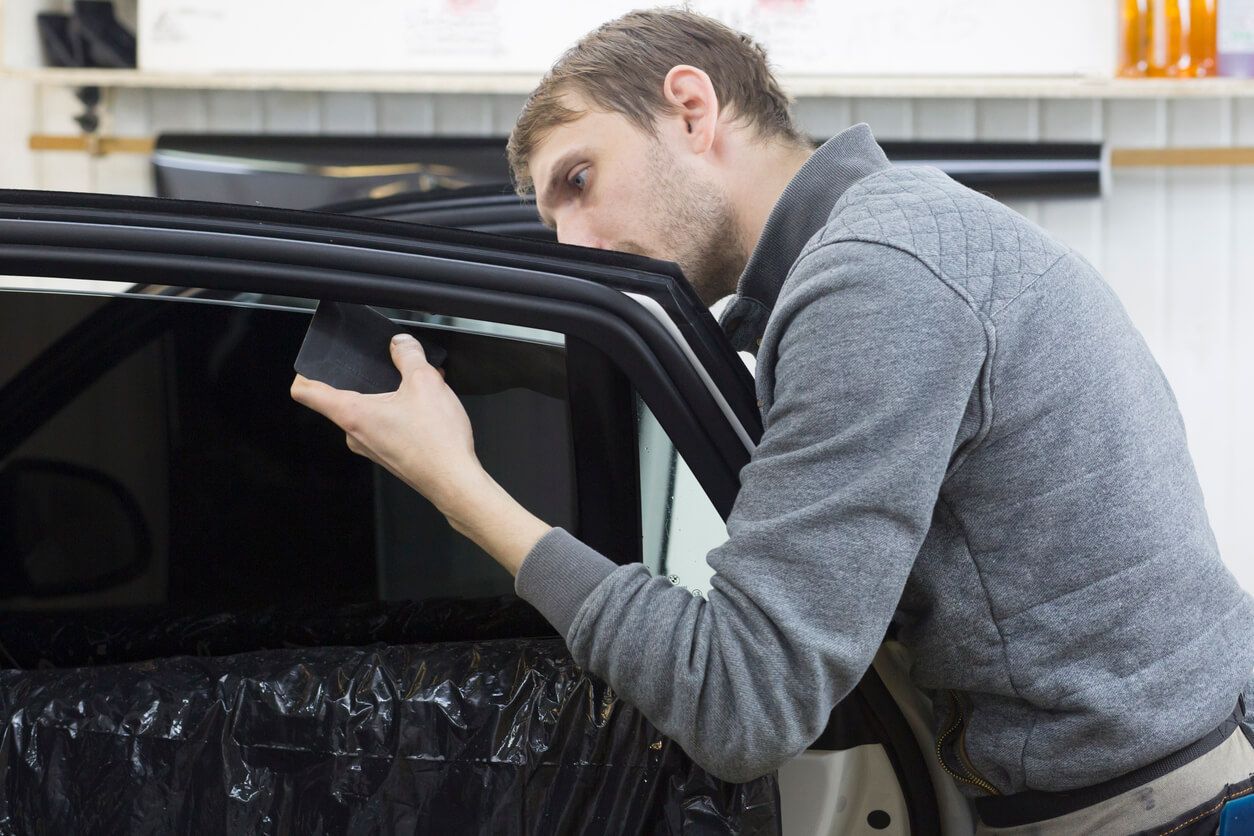
Professional installers know how to prep the glass, shape the film correctly, and apply it for a smooth, clean finish. That matters for appearance, but it also matters for performance and durability. A quality ceramic window product deserves a quality install. Otherwise, you are putting a premium material at the mercy of amateur execution.
A good installation should look almost effortless when it is done, which is funny because it takes real skill to make it look that simple.
What Everyday Driving Feels Like After Ceramic Tint
This is the part that sells most people. After the installation, the benefits stop being theoretical.
You notice your car cools faster when you start it. You notice the seats are less brutal after parking outside. You notice your arm is not roasting during a long afternoon drive. You notice less glare in traffic. You notice the interior feels protected instead of exposed. Over time, those small improvements stack up into a much better driving experience.
That is what makes ceramic tint such a strong upgrade. It is not flashy in the way a new set of wheels is flashy. It is better than that. It improves the part of car ownership you live with every single day.
Final Thoughts on Ceramic Auto Window Tint
For drivers in San Antonio, ceramic tint is not a luxury in the abstract. It is a practical answer to a very real problem. When the sun is hammering your car for months on end, the right window film can make a dramatic difference in comfort, protection, and long-term vehicle care.
Ceramic auto window tint stands out because it does the job without the familiar tradeoffs. It blocks heat. It delivers strong uv protection. It reduces glare. It protects interiors from fading. It helps keep your car cool. And because it is non-metallic, it does all of that without signal interference.
If you are tired of stepping into a car that feels like a toaster oven on wheels, now is the time to upgrade. Book a professional ceramic tint installation and give your vehicle the protection it needs to handle the South Texas sun.
Expert Advice on Automotive, Residential, and Commercial Window Tinting