
How Window Tint Stops the Sun from Burning Your Artificial Turf
Artificial turf is supposed to be the easy part of the yard. No mowing, no muddy patches, no sprinkler schedule eating into your water bill. Then one day you notice a strange brown streak, a shiny melted patch, or blades that look singed in the same exact spot every afternoon. It feels random at first, but it usually is not.
In many cases, the real culprit is not the turf at all. It is the windows.
For homeowners in Texas, this problem is especially frustrating because it often shows up on newer homes with energy efficient windows. Those windows are doing exactly what they were designed to do inside the house, but outside, under the right conditions, they can create a concentrated reflection strong enough to damage artificial grass. That reflected heat can scorch turf, soften synthetic fibers, and in severe cases cause turf melting at temperatures that go far beyond what the material can withstand.
The good news is that there is a real fix. Specialized exterior window film can break up and diffuse reflected sunlight before it turns a section of your lawn into a hot spot.
Why Artificial Turf Melts in the First Place
Artificial turf is made to handle weather, foot traffic, pets, and daily use. It is durable, low maintenance, and built for long-term outdoor performance. But even a durable product has limits. Most artificial grass systems use polyethylene blades, and while that material is tough, it is not built to survive concentrated heat from a focused beam of reflected light.
That distinction matters. Regular sunlight alone usually is not the problem. Turf is designed to sit in the sun all day. The issue is intensified reflection. When sunlight bounces off certain windows and gets focused into a smaller area, the turf below can experience temperatures far higher than the surrounding yard. In some reported cases, reflected heat from windows has exceeded 200°F, which is well above the softening or melting point of many synthetic turf materials.
This is why homeowners see damage in oddly specific shapes or zones. Instead of broad fading across the whole lawn, you get a bright burn line, a crescent-shaped patch, or one strip of artificial turf that looks cooked while the rest looks perfectly fine.
The Science Behind Window Reflections and Turf Melting
This is where the problem gets interesting.
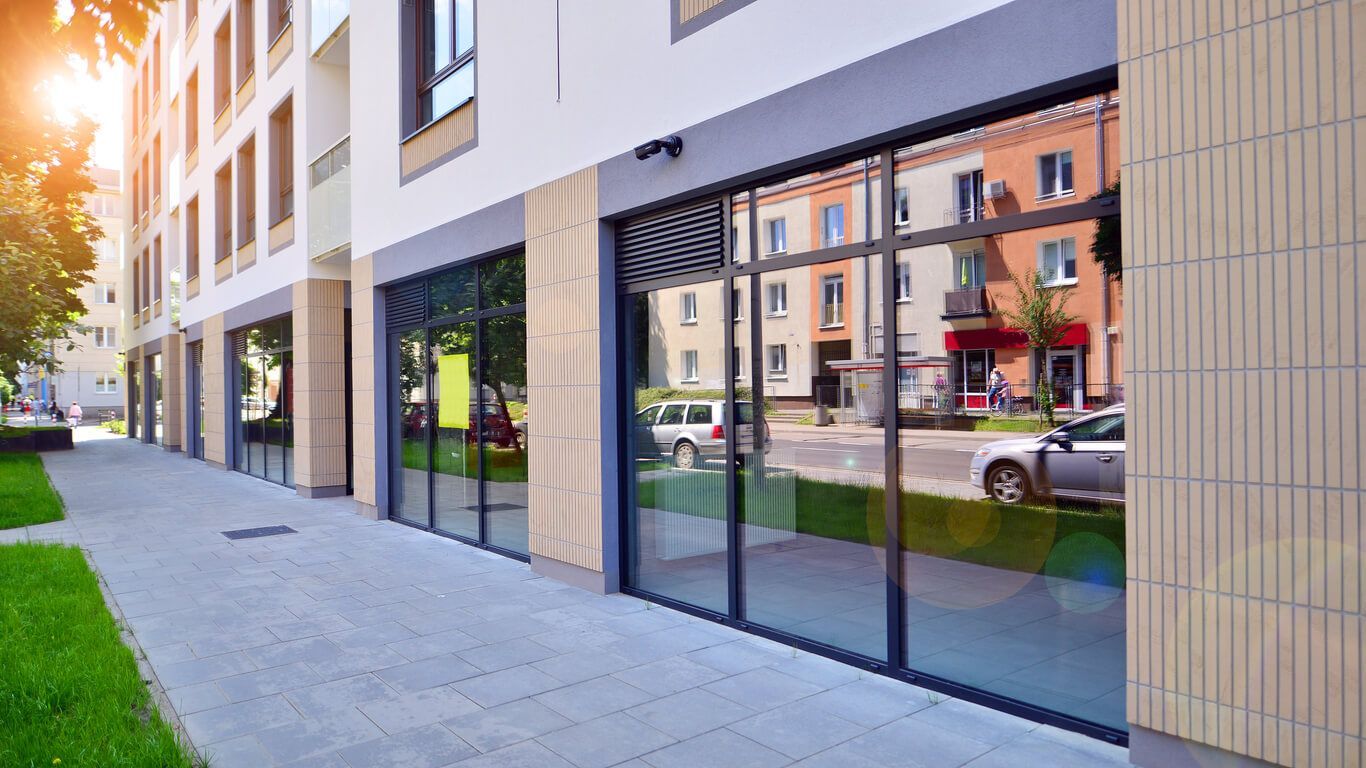
Modern low e windows are designed to improve energy efficiency by reflecting portions of the sun's rays away from the home. That helps reduce indoor heat gain, improves comfort, and can support energy savings during brutal Texas summer months. In other words, the windows are not defective just because they are reflecting heat. Reflecting is part of the job.
The issue starts when insulated glass units experience barometric pressure changes, temperature swings, or installation-related stress. Over time, some windows can bow very slightly inward or outward. When a pane takes on a subtle concave shape, it can behave a bit like a magnifying glass. Instead of scattering sunlight, it starts reflecting and concentrating it.
That small change in shape can create a powerful reflection zone in the yard. The reflected light moves as the sun moves, which is why turf melting often appears during certain hours of the day or certain seasons of the year. One patch may get blasted every afternoon while the rest of the lawn stays untouched.
Think of it like a kid using a magnifying glass on a leaf, except the magnifying glass is your house and the leaf is your artificial turf.
Why This Happens So Often in Texas Neighborhoods
Texas has the perfect recipe for this issue: strong sun, long summers, newer homes, and lots of artificial grass installations. In places like San Antonio and surrounding communities, homeowners often invest in artificial turf because it offers low maintenance curb appeal and reduces watering needs. At the same time, many homes are built with energy efficient windows that feature reflective coatings.
That combination can create a local headache. The more intense the sun, the more severe the reflection can become. Add a backyard with limited shade, a western exposure, and one or two reflective windows aimed toward the lawn, and you have conditions that can lead to sun damage fast.
It is not just turf, either. Reflected sunlight from low e windows has also been known to affect vinyl siding, patio furniture, outdoor mats, and even nearby surfaces around pools and play areas. Artificial turf just tends to show the damage quickly because melting is so visible.
Signs Your Windows Are Burning Your Artificial Grass
Homeowners often assume poor installation or a defective turf product is to blame. Sometimes that is true, but the pattern usually tells the story.
If your artificial grass is damaged by window reflections, you may notice:
- melted or curled blades in one concentrated area
- a repeating hot spot that appears at the same time each day
- shiny or flattened patches on the turf
- brown, brittle, or distorted fibers
- damage near the base of the house or close to a bank of windows
- similar sun damage on nearby vinyl siding or outdoor items
Another clue is movement. The burn area may shift slightly over weeks or seasons because the angle of sunlight changes. That moving line of damage is a classic sign of reflected sunlight rather than a turf manufacturing problem.
If two windows are facing the same section of lawn, the effect can be even worse. Two windows reflecting onto the same zone can create overlapping heat patterns and more severe burning.
Why Replacing the Turf Alone Does Not Solve the Problem
This is one of the most expensive mistakes homeowners make.
A turf company can replace the damaged section, and for a little while everything looks fine again. But if the source of the reflection is still there, the new artificial turf is still sitting in the same path of concentrated sunlight. The result is predictable: the replacement section gets damaged too.
That is why the real solution has to address the windows, not just the turf. If you do not stop the reflection, you are treating the symptom and ignoring the cause.
For many homeowners, this becomes a cycle of waste. Replace the grass, watch it burn again, replace another section, and keep paying the price. A better approach is to protect turf by reducing the concentrated reflection before it reaches the yard.
The Role of Exterior Window Film in Preventing Turf Melting
This is where specialized window film comes in.
Not every film is designed for this problem. Standard interior solar film is usually meant to reduce heat and glare inside the house. Turf-related reflection issues require a different strategy. To prevent turf melting, the goal is not simply to block sunlight coming in. The goal is to change how the outside surface of the windows reflects light back out.
A specialized exterior anti-reflective product, often referred to in the market as turf shield window film, is designed to diffuse reflected light instead of allowing it to focus into a narrow, high-heat beam. Rather than acting like a mirror with a magnified hot spot, the treated glass spreads the reflection more evenly.
That difference can be the perfect solution for homes where reflected sunlight is scorching artificial turf. By breaking up the concentrated beam, the film helps protect turf, reduce sun damage, and preserve the appearance of the lawn without sacrificing the benefits of modern windows.
If you want a broader overview of film options and why 3M products are trusted on residential properties, this guide on 3M window film for your property is a helpful next step.
Why 3M Exterior Anti-Reflective Film Works
A high-quality 3M exterior film is engineered to manage reflection in a way that ordinary stock film may not. The right film changes the behavior of sunlight on the glass surface. Instead of reflecting in a hard, concentrated line, it creates a more diffused pattern that lowers the risk of burning nearby artificial grass.
That matters because the problem is physics, not landscaping. You are not trying to make the turf tougher than the sun. You are trying to stop the windows from focusing the sun in the first place.
These products can also offer additional benefits beyond defense against turf melting. Depending on the application, window film may help reduce glare, improve comfort, and support overall energy performance. Homeowners often discover that solving the turf problem also improves the livability of the space around those windows.
And because the film is transparent or near-transparent depending on the product, it typically does not turn the house into a cave. You still keep natural light without the laser-beam effect that is burning the lawn.
What Makes Professional Installation So Important
This is not a peel-and-stick weekend project.
A true turf shield window film application depends on proper product selection, exterior compatibility, surface preparation, and precise installation. The wrong film can fail early, look poor, or simply not solve the reflection problem. In some cases, homeowners try generic perforated film, screens, or off-the-shelf products with an installation kit and hope for the best. Sometimes those temporary fixes reduce glare a little. Often, they do not provide consistent defense against concentrated reflected heat.
Professional installation starts with diagnosing the source. Which windows are reflecting? At what time of day? Is the issue tied to one elevation of the house, a second-story window, or a set of sliding doors? Is the turf damage isolated, or is it affecting vinyl siding and other material nearby? Those details matter because they determine what film should be used and where it should be installed.
A trained installer can evaluate the reflection pattern, recommend the right exterior film, and install it cleanly so it performs the way it should. If you are considering a residential solution, Premier Window Tinting explains more about what homeowners can expect during residential window tint installation.
Other Attempted Fixes and Why They Often Fall Short
Homeowners dealing with turf melting usually try a few workarounds before calling a window film specialist.
Screens are a common example. In some cases, insect screens or solar screens can reduce reflection, but they are not always enough, and they can change the appearance of the windows significantly. Landscaping changes may help if a tree or structure can block the reflection, but that is not always practical, especially in smaller yards.
Some people install shade sails, patio covers, or decorative barriers. Others try to replace the artificial turf with a more heat resistant product. Those options can help in certain situations, but they do not always address the underlying reflection. If the windows are still reflecting concentrated sunlight, the problem may simply shift to another area.
That is why targeted window film is often the cleaner answer. It addresses the source directly.
How to Know if Your Home Is a Good Candidate for This Solution
If your artificial turf is showing signs of melting, your home may be a strong candidate for exterior window film if:
- the damage appears in a consistent pattern
- the affected area lines up with one or more windows
- the problem gets worse in summer
- the turf installer has already ruled out basic product failure
- nearby surfaces show signs of sun damage or burning
- the home has low e windows or newer energy efficient windows
This issue is widely discussed in hot-weather markets like las vegas and Texas because the sun is strong enough to expose the problem quickly. But the location is only part of it. The real trigger is the combination of reflective glass, sun angle, and surrounding surfaces.
If your house has a patch of artificial grass that seems to get punished every sunny afternoon while the rest of the yard stays fine, that is not bad luck. That is a clue.
What Homeowners Should Expect From the Process
The process usually begins with an assessment of the windows and the damaged turf area. A professional looks at reflection paths, identifies the likely source, and recommends a film designed for exterior use. From there, the installation itself is relatively straightforward compared to major landscaping rework or repeated turf replacement.
Once the correct film is installed, the goal is to reduce the focused reflection enough to protect the artificial turf from further melting. That means the existing damaged area may still need repair or replacement, but the new turf is no longer sitting in the path of the same high-heat beam.
For homeowners comparing options, it can also help to understand the bigger value picture of residential film. This article on whether residential window tint is worth it covers practical considerations around benefits and cost.
A Smarter Way to Protect Your Investment
Artificial turf is supposed to simplify outdoor living. It should be low maintenance, clean-looking, and ready for kids, pets, and backyard gatherings without becoming another repair cycle. If your lawn is melting, the answer is not to keep blaming the grass.
In many cases, the real issue is reflected heat from windows that are reflecting sunlight with more force than most homeowners realize. When that reflection becomes concentrated, it can create enough heat to damage artificial turf, burn surfaces, and leave expensive landscaping looking ruined.
The right exterior window film can stop that cycle. By diffusing reflected light instead of focusing it, specialized 3M film helps protect turf, reduce sun damage, and preserve the appearance of your yard.
For homeowners in San Antonio, where intense heat and relentless summer sun expose this issue fast, solving the reflection at the glass is often the most practical and lasting move.
If your artificial grass is showing melted spots, curled blades, or strange burn patterns, it is worth having the windows evaluated before you replace another section of turf. The problem may be coming from above, not below.
Expert Advice on Automotive, Residential, and Commercial Window Tinting