

Auto Tint Interior UV Protection: How Ceramic Film Helps Preserve Leather, Dashboards, and Luxury Cabin Materials
If you drive a vehicle with premium leather, soft-touch trim, or a stitched dashboard, Texas sun is not just uncomfortable. It is expensive.
A luxury interior can look bulletproof on the showroom floor, but repeated exposure to heat and ultraviolet radiation slowly works on it like a silent chemical attack. The cabin heats up, the oils in natural leather begin to dry out, dyes start to fade, adhesives weaken, and vinyl surfaces lose flexibility. What looked rich and supple a year ago can start looking chalky, tight, and tired far sooner than most owners expect.
That is where auto tint interior uv protection becomes more than a cosmetic upgrade. For drivers who park outside, commute during the brightest part of the day, or leave their vehicle exposed at work for hours at a time, high-performance ceramic tint acts like a shield for the cabin itself. It helps block the radiation that breaks materials down and reduces the trapped-oven temperatures that accelerate that damage.
In a place like San Antonio, where intense sun is part of daily life for much of the year, interior protection should be part of basic vehicle preservation, especially for high-end cars, trucks, and SUVs with leather-heavy cabins.
Why luxury interiors suffer faster in extreme heat
Premium interiors are built from better materials, but that does not mean they are invincible. In some cases, they are actually more vulnerable because owners expect natural leather, contrast stitching, matte wood, piano black trim, and coated dashboards to keep their original appearance longer than synthetic economy materials.
Natural leather is skin. Even after tanning and finishing, it still behaves like an organic material. It needs flexibility to stay soft and smooth. When it is exposed to repeated heat cycling, especially in a sealed cabin that gets brutally hot day after day, the fibers lose moisture and plasticity. Over time, the leather starts to stiffen. Then it wrinkles more sharply, feels dry to the touch, and can eventually crack at stress points like bolsters, armrests, and seat edges.
Vinyl dashboards and door panels have their own problems. They may not dry out in exactly the same way leather does, but they still absorb heat and UV exposure. That combination can bleach color, distort texture, and weaken the compounds that keep the material flexible. The result is fading, shrinking, warping, and in severe cases, splitting near vents or edges.
If you have ever opened a car door after it sat in the sun all afternoon and felt a blast of trapped heat hit your face, you have already experienced the environment that is cooking your interior. That heat is not just unpleasant for you. It is punishing for every visible surface inside the cabin.
What is actually happening inside a parked car
A parked vehicle in direct sun behaves like a greenhouse. Sunlight passes through the glass, hits the seats, console, carpet, and dashboard, and those surfaces absorb and reradiate heat. Because the cabin is enclosed, much of that heat gets trapped.
According to the National Weather Service, interior temperatures in parked vehicles can rise extremely fast, even when outside temperatures seem manageable. Within a short time, cabin temperatures can soar well beyond the air temperature outdoors, with dashboards and dark surfaces becoming even hotter than the surrounding air. In Texas summer conditions, it is not difficult for a closed vehicle interior to push past 140°F. That is enough to make leather uncomfortably hot to sit on and enough to accelerate wear on trim materials day after day.
UV radiation adds another layer of damage. Heat softens and stresses materials, while UV breaks down the chemical bonds that help them hold color, elasticity, and structure. Think of it as a one-two punch: heat bakes the interior, and UV slowly bleaches and weakens it.
That is why owners often notice several signs at once. Seats lose their rich finish. Dashboards start to look flatter and drier. Black trim turns grayish. Stitching appears dull. The cabin no longer has that dense, upscale look that made the vehicle feel special in the first place.
Why windshield shades and garage parking are not enough
A windshield shade helps. So does parking in a garage whenever possible. But for many drivers, those measures are inconsistent or incomplete.
Maybe you leave home before the garage can cool the car down again after the previous day. Maybe your office lot has no covered parking. Maybe you spend an hour each way commuting with the sun hammering the side glass. Maybe your vehicle sits at a jobsite, airport, golf course, or client location for long stretches. In real life, even careful owners cannot fully avoid exposure.
A windshield shade also only protects one direction. It does little for side glass, rear glass, or the cumulative solar load entering the cabin while you drive. If your left arm feels warm on the door panel during the commute home, your interior materials are feeling it too.
That is why professionally installed ceramic film is so useful. It works every time the vehicle is in the sun, whether you remembered a shade or not. It protects while parked and while moving. It is passive protection that does not depend on habit.
How ceramic tint helps protect leather and interior surfaces
Ceramic tint is designed to reject heat and block ultraviolet radiation without relying on old-style metallic construction. High-quality film can block up to 99.9% of harmful UV rays, which is a major reason it is so effective for preserving interior materials.
When UV exposure is reduced, leather dyes and surface finishes are less likely to fade prematurely. The topcoat on the leather holds up better. Vinyl and plastic surfaces are less prone to bleaching and embrittlement. Trim pieces keep their color longer, and cabin materials maintain a fresher, more uniform look.
Heat rejection matters just as much. Lower cabin temperatures mean less thermal stress on everything inside. Leather stays more pliable because it is not being repeatedly overheated. Dashboards and door panels are less likely to expand and contract so aggressively. Adhesives behind trim and screens are under less pressure. Even the steering wheel, which takes direct punishment every day, stays more manageable.
This is the key point many drivers miss: ceramic tint is not only about making the car cooler for passengers. It is also about slowing the wear clock on the interior. You are not just improving comfort in the present. You are preserving condition for the future.
For drivers comparing film types, this guide to car window tint options including ceramic and carbon films is a helpful starting point.
Why this matters more for high-end vehicles
If you own a luxury SUV, executive sedan, sports car, or premium truck, your interior is one of the most expensive parts of the vehicle to restore correctly. Reconditioning worn leather is not the same as wiping down plastic in an economy commuter. Matching factory dye, grain, sheen, stitching, and panel fit can get costly fast.
A cracked dash in a high-end vehicle is not a small annoyance. It can become a major repair. Replacing seat covers, restoring faded trim, or correcting sun damage on specialty materials can easily cost far more than installing quality tint in the first place.
There is also the resale issue. Buyers shopping for premium vehicles notice interior condition immediately. They look at the driver bolster, the top of the rear seats, the dash brow, the steering wheel, and the door caps. A clean, hydrated-looking interior suggests careful ownership. A sun-baked cabin suggests neglect, even if the engine and paint are in excellent shape.
In other words, interior preservation is not vanity. It is asset protection.
The Texas factor: why local drivers need stronger protection
Texas sun is not theoretical. It is daily, repetitive, and punishing. In San Antonio and surrounding areas, drivers deal with long summers, high UV exposure, and plenty of cloudless afternoons where the sun feels like it is drilling directly through the glass.
That local climate changes the equation. What might be a nice comfort upgrade in a milder region becomes a practical protective measure here. The more often your vehicle sits in open lots, driveways, school pickup lines, medical campuses, corporate parking decks, or roadside appointments, the more valuable heat-rejecting film becomes.
For local drivers looking into professional automotive tint services in San Antonio, the goal should not be choosing the darkest film possible. The real goal is choosing high-performance film that delivers strong UV blocking and heat rejection while staying within legal limits and preserving visibility.
Dark glass is not the same as high performance film
One of the biggest misconceptions in the market is that darker tint automatically means better protection. It does not.
A very dark low-grade film may reduce visible light, but still perform poorly when it comes to rejecting infrared heat and blocking the kind of UV exposure that degrades interior materials. Meanwhile, a high-quality ceramic film can deliver excellent heat rejection and UV protection, even in lighter shades that suit luxury vehicles and stay more practical for nighttime driving.
That distinction matters for owners who want a refined factory look rather than a harsh blackout effect. Many premium vehicle owners prefer a clean, elegant finish that complements the design of the car. Ceramic film makes that possible because performance is built into the technology, not just the darkness.
If you are unsure what shade works best for your vehicle and your daily driving conditions, it helps to review how tint percentages affect appearance and function.
Signs your interior is already taking sun damage
Some damage happens gradually enough that owners do not notice it until the change is obvious. By then, the process has already been underway for months or years.
Watch for leather that feels stiffer than it used to, especially on the upper seatbacks and outer bolsters. Look for color unevenness where sunlight consistently lands. Pay attention to dashboards that seem drier, flatter, or slightly warped near vents. Notice whether black trim is turning charcoal gray or whether glossy surfaces are losing depth.
You may also detect increased cabin odor on very hot days. That hot-plastic smell is often a sign of materials being repeatedly overheated. It does not always mean immediate failure, but it does tell you the interior is under stress.
If your car spends most weekdays outside, there is a good chance the damage is cumulative even if the cabin still looks decent at a glance. Tint works best as prevention, not just as a response after the wear becomes visible.
Ceramic tint and daily comfort go hand in hand
Interior preservation is the long game, but the short-term benefits are hard to ignore. A cooler cabin is simply easier to live with.
Seats are less scorching when you get in. The steering wheel is less brutal to grab. Your AC can recover faster. Passengers in the rear seat are more comfortable. Long commutes feel less draining because the sun is not hammering one side of your body for an hour.
That daily comfort matters more than people admit. A vehicle should feel like a refuge, not a parked greenhouse with leather seats hot enough to make you hover before sitting down. Good ceramic tint changes that experience in a very noticeable way.
For many owners, that immediate comfort is what they notice first. The preservation benefits show up later in the form of seats and trim that still look expensive years down the road.
Professional installation makes the protection count
Film performance depends on product quality, but also on installation quality. A premium ceramic film installed poorly will not deliver the clean look or long-term durability luxury vehicle owners expect.
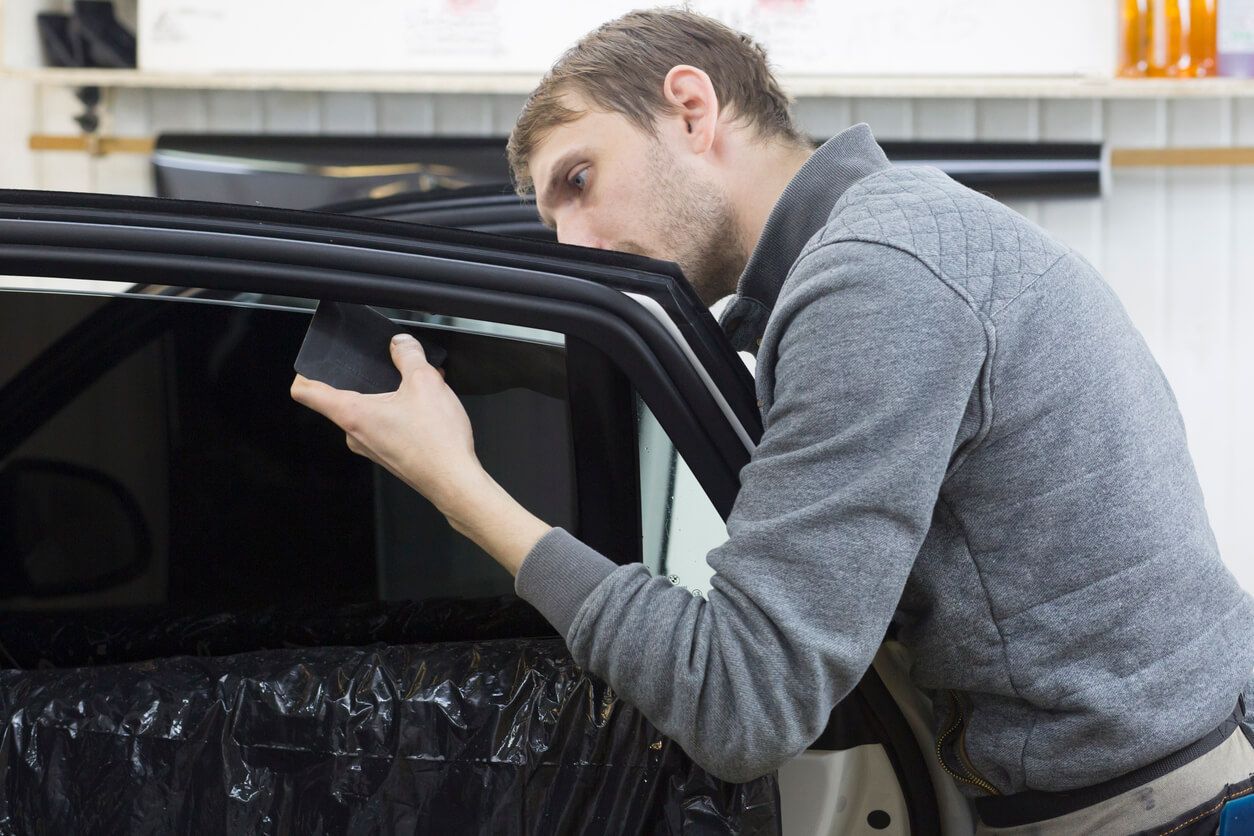
Professional installation matters because fit, edge finishing, glass prep, and product selection all affect the final result. On high-end vehicles especially, sloppy cuts, contamination, or uneven application stand out. You want film that looks intentional, precise, and worthy of the vehicle.
That is why many owners choose a shop experienced with premium film lines and high-end interiors. If your goal is true auto tint solutions that improve comfort and protect your vehicle, the installation should be treated like a preservation service, not just an accessory add-on.
Protect the cabin before the damage becomes permanent
Once leather has dried, faded, and cracked, there is only so much restoration can do. Once a dashboard warps or splits, repair options become expensive and imperfect. Sun damage is one of those problems that feels slow until it suddenly feels obvious.
That is why auto tint interior uv protection is such a smart move for Texas drivers, especially those with upscale interiors and unavoidable sun exposure. Ceramic film helps block 99.9% of harmful UV radiation, reduces the heat load building inside the cabin, and gives leather, vinyl, trim, and touch surfaces a much better chance of aging gracefully.
If your vehicle spends its life under open sky, tint is not just about style. It is one of the simplest ways to protect the part of the car you see, touch, and sit in every single day. A luxury interior should age like leather luggage, not like patio furniture left out through August.
Expert Advice on Automotive, Residential, and Commercial Window Tinting