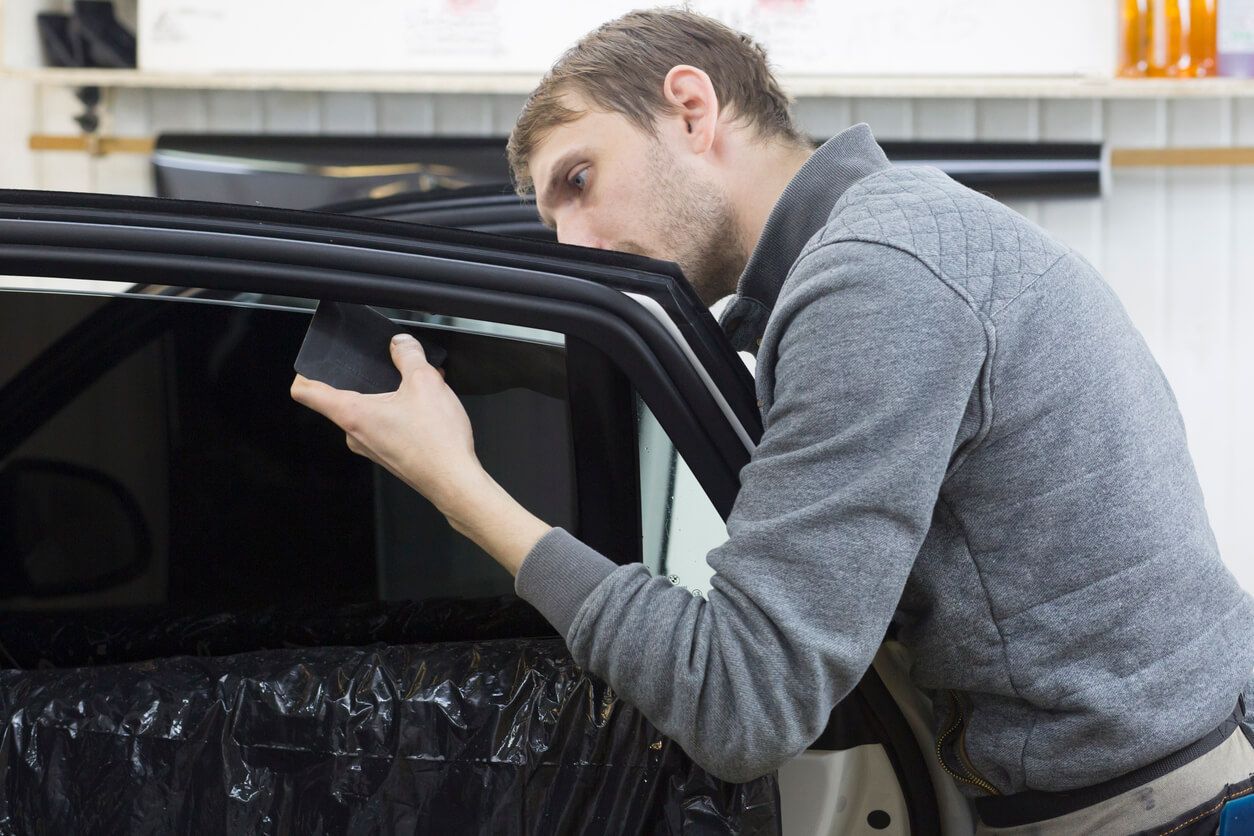


How to Clean and Maintain Your Window Tint
Window tint does a lot more than make glass look sleek. In San Antonio, where the sun can feel like it is parked directly over your roof for half the year, quality window film helps cut heat, reduce glare, protect interiors from fading, and improve comfort in your car, home, or commercial space. But even the best film needs proper care after installation.
That is where many people make avoidable mistakes. They assume tinted windows can be cleaned like any other glass surface, grab the nearest blue spray bottle from under the sink, and go to work. Unfortunately, that quick cleanup can shorten the life of the film, damage its finish, or interfere with the adhesive while it is still settling. If you have ever wondered how to clean window tint without ruining it, the answer starts with patience, the right products, and a little technique.
At Premier Window Tinting, we install premium 3M™ window films for vehicles, homes, and businesses throughout San Antonio. We also know that proper maintenance is what helps that investment keep performing year after year. This guide walks you through the curing period, safe cleaning methods, what products to avoid, and how to keep your tint looking sharp for the long haul.
Why Proper Window Tint Care Matters
Window tint is not just a dark layer stuck onto glass. High-quality film is a multi-layered product engineered to handle heat, UV exposure, glare, and daily wear. Depending on the application, it may include scratch-resistant coatings, adhesive layers, solar-control technology, and other performance features. Treating it like bare glass is a little like washing a leather seat with dish soap. It may survive once, but it is not the right approach.
Proper care matters because tint failure often starts small. A harsh cleaner can slowly break down the outer coating. Rough paper towels can leave fine scratches that become more visible in direct sunlight. Cleaning too early during the curing period can disrupt adhesion and create problems that look like bubbles, streaks, or edge lift. In a climate like San Antonio, where tinted windows work hard every single day, maintenance is not a cosmetic extra. It is part of protecting performance.
The Most Important Rule: Respect the Curing Period
If your tint was just installed, the first step is simple: leave it alone. This is the curing period, when the film and adhesive are settling onto the glass and moisture from the installation process is still evaporating. During this time, the tint may look slightly hazy or have small water pockets. That can be unsettling if you were expecting instant perfection, but it is usually a normal part of the process.
Think of curing like fresh concrete or paint. It may look finished, but underneath, it is still stabilizing. Touching it too soon, pressing on it, or trying to clean it aggressively can interfere with that process. For automotive tint, that also means keeping the windows rolled up for the period recommended by your installer. For residential and commercial film, avoid pressing on the surface or attempting to “fix” any temporary moisture patterns yourself.
How Long Does Window Tint Take to Cure?
The answer depends on where the film is installed, the type of film, and the weather conditions. In warmer climates like South Texas, curing can happen faster than in colder or humid regions, but that does not mean it is instant. Automotive tint often needs several days before windows should be rolled down, while full curing may take a few weeks. Residential and commercial window film can also take days to weeks to fully settle.
Sunlight helps speed up the process, but temperature swings, overcast weather, and humidity all play a role. That is why a freshly tinted vehicle in August may cure differently than a home window installed during a damp stretch of weather. If your installer gives you a care timeline, follow that instead of relying on internet guesswork. A little patience at the beginning saves a lot of frustration later.
What You Should Never Use on Tinted Windows
If there is one product category that causes the most damage, it is ammonia-based glass cleaner. Many common household sprays contain ammonia because it cuts through grime and leaves untreated glass looking crisp. On window tint, though, ammonia is a bad actor. It can break down the film over time, dry out adhesives, and damage protective surface layers.
The effect is not always dramatic on day one. That is what makes it tricky. You may clean tinted windows with the wrong product a few times and think nothing happened. Then months later, the film starts looking purple, cloudy, brittle, or uneven. It is a slow kind of damage, like sunburn on a dashboard or salt on a truck frame.
You should also avoid abrasive scrub pads, razor blades, strong degreasers, bleach-based products, and rough paper towels. These can scratch the film, catch the edges, or leave behind residue that is difficult to remove safely. Household chemicals made for kitchens, bathrooms, or multi-surface deep cleaning do not belong on tinted windows. If the label sounds aggressive, keep it away from the film.
The Best Cleaner for Window Tint
The safest option is an ammonia-free cleaner specifically labeled as safe for tinted windows. These products are made to clean the glass and film surface without attacking the adhesive or degrading the coating. You can also use a mild soap-and-water solution in many cases, especially for routine maintenance.
Simple is usually better here. You do not need a harsh formula that smells like a chemistry lab. A gentle cleaner, a clean microfiber cloth, and a little restraint will get the job done. The goal is to lift dust, fingerprints, and film haze without grinding debris into the surface or leaving behind residue.
If you are unsure whether a product is safe, do not assume. Check the label for ammonia-free language, or ask your installer what they recommend. That is especially important for premium automotive tint, residential solar film, decorative film, or security film, where the wrong chemical can interfere with specialized coatings.
How to Clean Window Tint the Right Way
Once the curing period has passed, cleaning tinted windows is straightforward. Start by using a clean, soft microfiber cloth. Spray the cleaner onto the cloth instead of directly onto the window whenever possible, especially near the edges. This helps prevent excess liquid from seeping into the film edges before you wipe.
Then clean with light, even pressure. Do not scrub like you are trying to remove baked-on grease from a grill grate. Gentle passes are enough. If there is stubborn residue, let the cleaner sit briefly and wipe again rather than pressing harder. Finish with a dry microfiber cloth to remove any remaining moisture and reduce streaking.
For auto tint, pay special attention to the rear window if it has defroster lines. Wipe along the lines, not aggressively across them with force. For residential and commercial tint, use the same soft-touch approach on larger panes. The film is durable, but durability is not an invitation to get reckless.
A Simple Maintenance Routine That Works
The best maintenance plan is not complicated. Clean tinted windows regularly enough that dirt does not build up, but not so aggressively that you are constantly rubbing the surface. In most cases, light routine cleaning is better than infrequent heavy-duty cleaning.
Dust, pollen, fingerprints, dog nose prints, and hard-water spotting all become more annoying when they are left to sit. In San Antonio, where dust and sun team up like two old troublemakers, your windows can collect grime faster than you think. A quick wipe with the right materials every so often keeps the film looking clear and helps you avoid the temptation of using stronger cleaners later.
For vehicles, that may mean a gentle cleaning during your normal car-care routine. For homes, it could be part of your regular interior glass cleaning schedule. For commercial properties, especially storefronts and offices, consistency matters because smudged tinted glass affects the look of the whole space.
Common Mistakes That Shorten the Life of Window Film
One of the biggest mistakes people make is trying to clean away what is actually part of the curing process. Small water bubbles, slight haze, or a soft cloudy appearance after installation do not always mean something is wrong. Cleaning too soon often causes more trouble than the issue would have on its own.
Another common mistake is using whatever towel is nearby. Paper towels may feel harmless, but many are rougher than they seem and can leave fine scratches over time. Old shop rags can trap grit. Even a quality cleaner will not save the tint if the cloth itself is doing the damage.
There is also the problem of overconfidence. People think, “It is just glass.” But tint changes the equation. Once film is installed, you are no longer cleaning naked glass. You are cleaning a finished surface with layers that need the right kind of care. That difference matters.
Caring for Automotive Tint in Texas Heat
Auto tint in San Antonio lives a hard life. It deals with intense UV exposure, cabin heat, dust, and frequent use. Doors slam, windows roll up and down, kids touch the glass with sticky hands, and every gas station squeegee in America seems designed to leave streaks. Good tint can handle a lot, but maintenance still matters.
Keep your interior windows clean with microfiber cloths and tint-safe cleaner, and avoid cheap detailing products that promise “crystal clarity” without saying whether they are ammonia-free. If you use a car wash, be mindful of any service that wipes the inside glass with generic chemicals. A few careless cleanings can undo the benefit of choosing premium film in the first place.
If your vehicle has just been tinted, follow all post-installation instructions carefully. That includes keeping windows up for the recommended period and avoiding pressure near the film edges. A little discipline early on helps preserve a smooth, professional finish.
Caring for Residential and Commercial Window Tint
Home and office tint has different daily stress than automotive film, but the same basic rules apply. Use gentle, ammonia-free cleaning products and soft cloths. Avoid scraping at marks with blades or abrasive pads. If there is paint, adhesive, or construction residue on the glass, call a professional before trying to remove it yourself.
This matters even more with large residential and commercial installations because replacement is not a small project. Window film on a sun-facing wall, conference room, storefront, or living room picture window is a long-term investment in comfort, efficiency, and appearance. It is worth protecting.
For businesses, proper care also helps preserve a polished look for customers and employees. For homeowners, it keeps the film performing the way it should against glare, heat, and UV exposure. In both cases, the right maintenance is less expensive than repairing avoidable damage.
When to Call the Installer Instead of DIY Cleaning
If you notice peeling edges, unusual bubbling after the curing period, discoloration, or scratches that seem to be worsening, stop experimenting with cleaners and call your installer. Trying random internet hacks can turn a manageable issue into a warranty headache.
A reputable tint company can tell the difference between normal curing, surface residue, and actual film failure. That is one reason working with an experienced professional matters from the beginning. Installation quality and aftercare guidance go hand in hand.
If you are investing in auto tint, residential window film, or commercial window film, it pays to work with a team that stands behind the product and can help you care for it correctly. You can learn more about professional options on our window tint service page.
Protect Your Tint Like the Investment It Is
Window tint is one of those upgrades that quietly earns its keep. You feel it when your car is not blistering hot at 4 p.m. You notice it when a living room stays more comfortable in the afternoon sun. You appreciate it when glare is reduced, privacy improves, and interiors are better protected from fading. But like any upgrade worth having, it lasts longer when it is treated properly.
If you remember only two things, make them these: respect the curing period, and never use ammonia-based cleaners. Those two habits alone can prevent a surprising number of problems. Add in a microfiber cloth, a gentle cleaning routine, and a little common sense, and your tint can stay looking sharp and performing well for years.
At Premier Window Tinting, we help San Antonio drivers, homeowners, and businesses get more from their glass with high-quality 3M™ window films and professional installation. And once the film is installed, we want it to keep doing its job. If you have questions about tint care or are ready to upgrade your vehicle, home, or commercial property, contact our team for expert guidance and a free quote.
Expert Advice on Automotive, Residential, and Commercial Window Tinting