

Reducing Home Energy Bills with Solar Window Film
If you live in San Antonio, you already know the sun does not politely stop at the glass. It pours through west-facing windows in the afternoon like a space heater with perfect aim. One room gets stuffy. The thermostat drops. The AC kicks on again. Then again. And before long, you are paying to cool a home that keeps getting reheated by the same windows that are supposed to bring in light.
That is exactly why more homeowners are looking into energy efficient window films as a practical upgrade instead of jumping straight to full window replacement. Residential solar window film helps block the heat that builds up indoors from direct sunlight, cutting down on that greenhouse effect that turns bright rooms into hot zones. It is one of the fastest ways to improve comfort, reduce strain on your HVAC system, and lower monthly energy bills without tearing out perfectly good windows.
At Premier Window Tinting, homeowners across San Antonio turn to 3M™ residential window films to make their homes more comfortable, more efficient, and easier to live in during long Texas summers. If you are trying to figure out whether solar film is actually worth the investment, the short answer is yes. The longer answer is where the real value shows up.
Why Windows Make Your Energy Bills Climb
Most homeowners think of insulation in terms of attics, walls, and doors. But windows are often one of the biggest weak points in the entire house, especially older windows or large panes that get direct afternoon sun. Glass lets in natural light, but it also invites in solar heat. Once that heat enters the room, it gets trapped, builds up, and forces your cooling system to work harder to maintain the temperature you actually want.
This is the classic greenhouse effect inside a home. Sunlight passes through the window, strikes floors, furniture, rugs, and walls, and turns into heat. That heat does not simply bounce back out. It lingers. It radiates. It hangs in the room like a heavy blanket. If you have ever walked into a west-facing bedroom at 5 p.m. and felt like the air was thicker in there, you have felt this process in real time.
The result is not just discomfort. It is cost. Your HVAC system has to cycle longer and more often to fight heat gain coming through the glass. Over time, that means higher utility bills, more wear on your AC equipment, and uneven temperatures from one room to the next.
In a climate like San Antonio, that problem is not seasonal in a mild way. It is persistent. The sun here is not messing around, and homes with untreated windows often pay for it month after month.
How Solar Window Film Helps Stop the Greenhouse Effect
Solar window film works like a shield that lets in light while rejecting a significant amount of solar energy. Applied directly to existing residential windows, the film helps reduce heat gain before it can take over the room. Instead of letting the sun act like a magnifying glass on your floors and furniture, the film interrupts the process.
Think of it like putting a quality sunshade over your home without blocking your view. The room still feels open. You still get daylight. But you are no longer inviting the full force of the Texas sun to camp out in your living room all afternoon.
High-quality films, including 3M™ residential window films, are engineered to reject heat, reduce glare, and filter harmful UV rays. That means the benefits stack up quickly. Your home feels more comfortable, your AC does not have to run as hard, and your interiors get extra protection against fading.
This matters most in rooms that catch direct sun for hours, especially west-facing rooms. Those spaces often become the battleground between comfort and cost. You lower the blinds. You adjust the thermostat. You avoid sitting in that room until sunset. Solar film changes that equation by attacking the source of the problem instead of forcing your air conditioner to clean up after it.
The Real ROI of Energy Efficient Window Films
When homeowners ask about return on investment, they usually mean one thing: will this actually save me money? In the case of energy efficient window films, the answer is tied to both direct savings and avoided costs.
The direct savings come from reduced cooling demand. When less solar heat enters the home, your HVAC system does not need to cycle as often or run as long to maintain a comfortable indoor temperature. That reduced workload can translate into lower monthly utility bills, especially during peak cooling months in South Texas.
Then there are the avoided costs. If your AC is constantly battling hot spots caused by untreated windows, it is taking on extra wear every day. More runtime means more strain on motors, compressors, and other major components. Over time, that can contribute to more maintenance issues and a shorter service life. Solar film helps reduce that burden.
There is also a comfort ROI, which many homeowners underestimate until they experience it. A room that used to be too hot to enjoy suddenly becomes usable in the afternoon. The upstairs game room stops feeling like an attic with furniture. The front office with the big windows becomes a place you can actually sit and work without feeling cooked on one side of your body.
That kind of improvement matters because your home should not have “good rooms” and “punishment rooms” based on the position of the sun.
Why Window Film Is Often Smarter Than Full Window Replacement
Replacing windows can absolutely improve efficiency, but it is also one of the most expensive ways to solve a heat gain problem. Full replacement often comes with major labor costs, longer project timelines, and a much bigger upfront investment. For many homeowners, that is like replacing the whole truck because one tire keeps losing air.
If your existing windows are structurally sound, adding residential window film can be a far more cost-effective move. You keep the windows you already have, improve their performance, and avoid the mess and expense of a major renovation. It is faster, less disruptive, and much easier on the budget.
This is where solar film makes a lot of financial sense. It upgrades the performance of the glass already in place. Instead of ripping out windows to chase better energy efficiency, you can target the actual issue, which is often excessive solar heat entering through untreated glass.
For homeowners trying to lower energy bills without spending tens of thousands on new windows, window film is often the practical middle ground. It is not a bandage. It is a performance upgrade.
And in many homes, especially those with large picture windows, sunrooms, high-exposure living areas, or west-facing glass, the improvement is noticeable almost immediately.
West-Facing Windows: The Usual Suspect
If one side of your house always feels hotter than the rest, there is a good chance west-facing windows are the reason. These windows take the brunt of the late afternoon sun, which tends to be intense, direct, and perfectly timed to hit when outdoor temperatures are already near their peak.
That combination creates a brutal heat load inside the home. Your AC is already working hard because it is late in the day and hot outside. Then those west-facing windows start pouring in extra solar heat right when your system is least in the mood for more work.
This is why homeowners often notice the same pattern: the living room gets hot around 3 p.m., the upstairs bedroom feels stuffy by evening, and one side of the house never quite catches up no matter how low the thermostat goes. Solar film helps flatten those temperature spikes by reducing the amount of heat entering through the glass in the first place.
In practical terms, that can mean fewer thermostat battles, more consistent room temperatures, and a home that feels less like it is chasing comfort and more like it is holding onto it.
More Than Energy Savings: Other Benefits Homeowners Notice
The money-saving side of residential window film gets the headline, but it is not the only reason homeowners love it. Once installed, many people notice a whole list of quality-of-life improvements that make the investment feel even more worthwhile.
One of the biggest is glare reduction. Bright sunlight bouncing off floors, countertops, and screens can make everyday living surprisingly irritating. Watching TV, working from home, or even reading in a sunny room can become a squinting contest. Solar film softens that harshness without forcing you to shut the blinds and live in a cave.
UV protection is another major advantage. Sunlight does not just heat up a room. It also slowly bleaches and breaks down what is inside it. Floors, furniture, artwork, rugs, and wood finishes all take the hit over time. Quality residential window film helps block the UV rays that contribute to fading, which can help preserve the look and life of your interiors.
And then there is the day-to-day comfort factor. A cooler room feels calmer. A more balanced home feels easier to live in. You stop planning your afternoon around avoiding certain windows. That may not show up as a line item on a utility bill, but it absolutely shows up in how your home functions.
Why This Matters So Much in San Antonio Homes
San Antonio homeowners are not dealing with occasional heat. They are dealing with a climate where cooling costs are a real part of household budgeting for much of the year. Long summers, strong sun exposure, and high afternoon temperatures can make untreated windows a constant source of energy loss.
That is why residential window tinting in San Antonio is not just about aesthetics. It is a practical energy upgrade. Homes here need solutions that work with the climate, not against it. Solar window film is one of those solutions because it addresses the problem where it starts: at the glass.
For homes with large front windows, open-concept layouts, second-story rooms, or sun-heavy exposures, the difference can be especially dramatic. In this market, reducing solar heat gain is not some niche efficiency trick. It is a smart way to make your home more livable while keeping energy costs under better control.
A homeowner in a cooler climate may only notice this problem a few months a year. In San Antonio, it can feel like the sun has your address memorized.
Choosing the Right Residential Window Film
Not all films are created equal, and not every home has the same needs. Some homeowners want maximum heat rejection. Others want a balance of glare reduction, UV protection, and natural light. The right product depends on your windows, your sun exposure, your goals, and your budget.
That is why professional guidance matters. A trusted installer can help you compare options and choose a film that fits your home instead of handing you a one-size-fits-all pitch. With products like 3M™ window films, homeowners can choose from high-performance solutions designed for comfort, clarity, and long-term value.
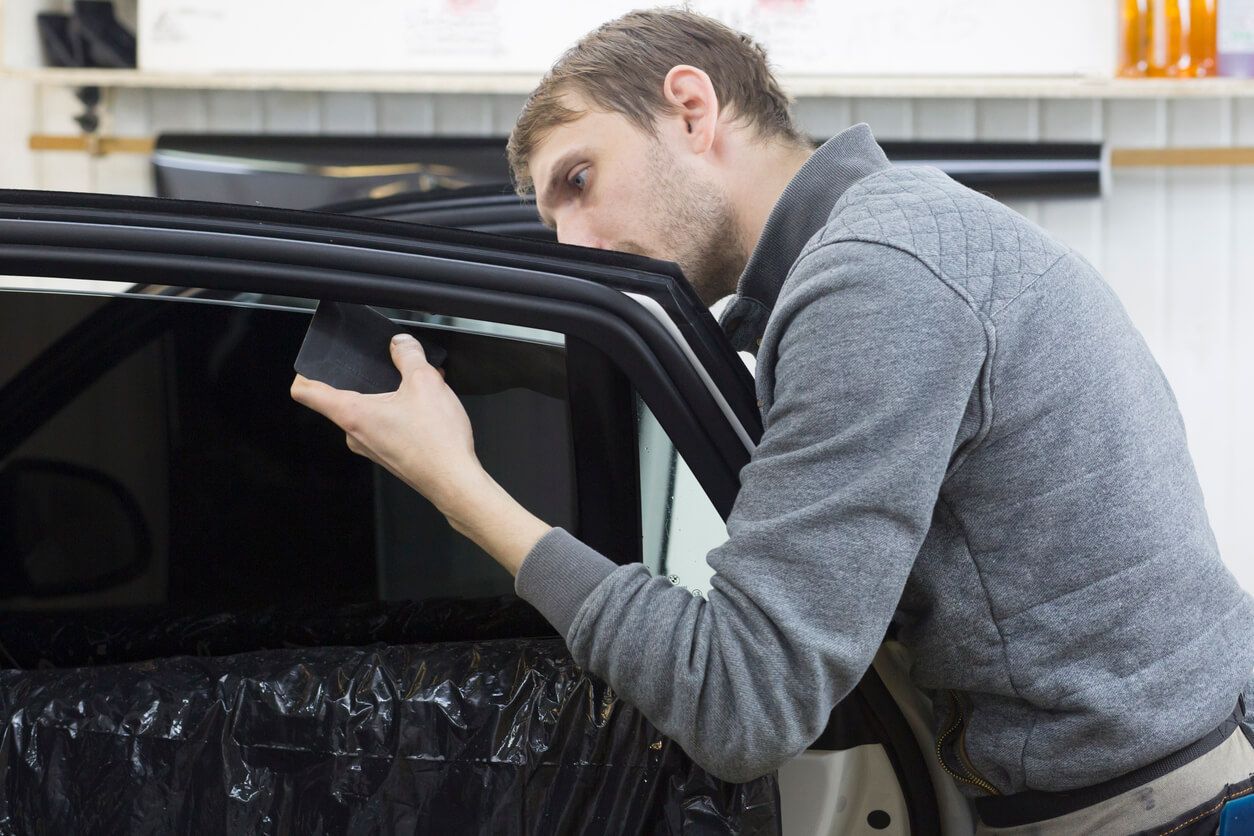
Professional installation matters just as much as the product itself. Clean application, precise trimming, and proper fit all affect performance and appearance. A quality film installed correctly should look polished, perform consistently, and hold up over time.
For homeowners trying to improve efficiency without sacrificing appearance, this is where working with an experienced local team makes a difference.
A Smaller Upgrade That Can Make a Big Difference
There is a reason more homeowners are turning to energy efficient window films instead of taking on a full window replacement project. The value is easier to reach. The installation is faster. The disruption is lower. And the payoff starts where people feel it most: lower heat, better comfort, and reduced pressure on the AC system.
If your home has hot spots, bright glare, fading interiors, or rooms that become unbearable in the afternoon, solar window film is not just a cosmetic add-on. It is a functional upgrade that helps your windows work smarter.
In a place like San Antonio, where the sun can turn untreated glass into a daily energy leak, that matters. A lot.
Ready to Lower Your Home Energy Bills?
If you are tired of fighting heat in west-facing rooms or watching your AC run nonstop through another Texas summer, residential solar window film may be the upgrade your home has been missing. It is a cost-effective way to improve comfort, reduce solar heat gain, and get more performance from the windows you already have.
Premier Window Tinting installs high-quality 3M™ residential window films for homeowners throughout San Antonio. If you want a cooler, more efficient home without the cost of replacing your windows, contact our team today for a free quote and expert guidance on the best film for your space.
Expert Advice on Automotive, Residential, and Commercial Window Tinting