

Auto Window Tint Laws Explained: What's Legal and What's Not
If you have ever looked at a sleek, freshly tinted vehicle and thought, I want that, you are not alone. Window tint makes a car look sharper, feel cooler, and offer more privacy. But there is one detail that trips up a lot of drivers: auto window tint laws.
The truth is, tint law is not something you want to guess at. What looks fine in one state can earn you a fix-it ticket in another. A shade that feels subtle to you may still be too dark under state regulations. And if you live in Texas, especially around hot, bright cities like San Antonio, you are probably trying to balance comfort, heat rejection, and legality all at once.
This guide breaks down auto window tint laws in plain English. We will cover what the law usually regulates, how tint percentages work, what is legal in Texas, and how to avoid the common mistakes that leave drivers paying twice: once for the tint, and again to remove it.
Why Auto Window Tint Laws Matter
Window tint laws exist for a few reasons, and they are not all about appearance. State regulations are typically designed to preserve visibility for drivers and law enforcement while still allowing some level of heat control and glare reduction. In other words, the law is trying to thread a needle: let drivers benefit from tint without turning every vehicle into a rolling blackout curtain.
For drivers, the practical reason to care is simple. Legal tint protects your investment. If your film is too dark, too reflective, or installed on glass where it is not allowed, you could be cited. In some cases, you may also run into trouble during vehicle inspections or resale. Nobody wants to spend money on a premium tint job only to hear, “That has to come off.”
There is also a safety angle that often gets overlooked. Good tint should help with solar heat rejection, UV protection, and comfort without compromising your ability to see clearly, especially at night. The best legal tint setups do not feel like a compromise. They feel like a smart upgrade.
What Auto Window Tint Laws Usually Regulate
Most state tint laws focus on a handful of specific factors. The first is visible light transmission, usually called VLT. This is the percentage of visible light that can pass through the glass and film together. The lower the number, the darker the tint. A 70% VLT film is much lighter than a 20% VLT film.
States may also regulate which windows can be tinted and how dark each one can be. For example, the front side windows often have stricter limits than the rear side windows or back glass. Windshields are usually the most restricted area, with many states only allowing tint on the top strip, often called the AS-1 line.
Reflectivity is another issue. Some films have a mirrored or shiny finish that reflects sunlight outward. While that may sound appealing in a place with intense sun, overly reflective tint can create visibility concerns for other drivers. That is why some states cap how reflective a film can be.
Finally, there may be rules about color. Certain tint colors, such as red, blue, or amber, may be prohibited because they can resemble emergency vehicle lighting or interfere with visibility. Medical exemptions may also apply in some states, but those come with documentation requirements and are not a shortcut around the law.
Understanding VLT: The Number That Confuses Most Drivers
If tint law feels confusing, VLT is usually the reason. Let’s make it simple. VLT tells you how much visible light gets through the window. So if your tint is 35% VLT, that means 35% of visible light passes through and 65% is blocked.
Here is where people get tripped up: the final number depends on both the film and the factory glass. Many vehicles already have a slight factory tint built into the glass. That means adding aftermarket film changes the combined VLT. You cannot just look at the box and assume that number is what your finished window will measure.
Think of it like putting sunglasses on top of sunglasses. One pair may be fine, but stack another pair on top and suddenly everything gets much darker. That is why professional installers measure the glass and recommend a film that keeps the final result within legal limits.
This is also why bargain tint jobs can become expensive mistakes. If someone installs film without checking the existing glass, you may end up with a setup that looks great in the parking lot and fails the legal test on the roadside.
Texas Auto Window Tint Laws: What Drivers Should Know
Because Premier Window Tinting serves San Antonio and the surrounding area, Texas law is especially important here. Texas drivers deal with brutal sun, long summers, and interior temperatures that can make a steering wheel feel like cast iron left on a grill. Tint is not just cosmetic in this climate. It is a comfort and protection upgrade.
That said, Texas still has clear legal standards for vehicle tint. While laws can change, Texas generally allows:
- Windshield: Tint is typically allowed only above the AS-1 line or top strip area, with specific light transmission requirements
- Front side windows: Must generally allow more light in than rear windows
- Back side windows and rear window: Often more flexible, depending on the vehicle and whether side mirrors are present
- Reflectivity: Cannot exceed state limits
- Certain colors: May be restricted
The key takeaway is this: legal in Texas does not mean “as dark as you want.” Drivers often assume rear windows are a free-for-all, but even then, there are conditions and equipment requirements that matter. The safest move is to work with a professional installer who knows current Texas tint laws and can match your goals with a compliant film option.
For San Antonio drivers, this matters even more because the sun exposure here is relentless. Many people want the darkest film possible because they are tired of baking in traffic on Loop 1604 or climbing into a car after it has been parked outside all afternoon. But modern film technology gives you another option: better heat rejection without necessarily going illegally dark.
Legal Tint Does Not Mean Weak Tint
A lot of people still think the only way to get real heat protection is to go super dark. That is old-school thinking. Today’s premium films, especially ceramic and advanced heat-rejecting options, can block a significant amount of heat and UV rays even at lighter shades.
That is good news if you want to stay within the law and still make your car dramatically more comfortable. A high-performance film can reduce glare, cut solar heat, and help protect your interior from fading without making your windows look like sheet metal.
This is where product quality really matters. Cheap dyed films may darken the glass, but they often fall short on heat rejection, fade over time, or turn purple. Premium films are engineered to perform. It is the difference between wearing a black cotton T-shirt in the sun and wearing technical cooling fabric. One just looks darker. The other actually works.
For Texas drivers, that distinction is huge. You do not want to choose between following the law and surviving summer. With the right film, you should not have to.
Common Mistakes Drivers Make With Window Tint Laws
One of the biggest mistakes is assuming that if a tint shop offers it, it must be legal. That is not always true. Some shops will install whatever the customer asks for, even if it crosses the line. When the ticket comes, the shop is gone and you are left holding the bill.
Another common mistake is relying on appearance alone. Tint can be deceiving. Two vehicles may look similar in shade, but one may test legal and the other may not. Lighting conditions, interior color, and factory glass all affect how dark a window appears.
Drivers also run into trouble by forgetting that laws vary by state. If you move, buy a vehicle from out of state, or travel often, your tint may not comply everywhere. That does not mean you need to panic every time you cross a border, but it does mean state-specific compliance matters when you install film.
Finally, some people focus only on darkness and ignore visibility. Extremely dark tint may feel private during the day, but at night it can make backing up, changing lanes, and spotting pedestrians harder. The best tint setup should feel like an upgrade in every condition, not a liability after sunset.
How to Choose a Legal Tint Setup That Still Looks Great
Start by deciding what matters most to you. Is your priority heat rejection, privacy, glare reduction, UV protection, or overall style? Once you know your goal, a professional installer can recommend a film type and shade that gives you the benefits you want without drifting into illegal territory.
If you drive daily in San Antonio, heat rejection should probably be near the top of the list. The sun here is not subtle. It pours through glass like water through an open gate. A quality film can help reduce cabin heat, protect your skin from UV exposure, and make your air conditioning system work less like it is fighting a losing battle.
You should also think about the full vehicle, not just the side windows. Windshield tint strips, rear glass options, and even protective films can all play a role in comfort and performance. The best-looking cars usually have a balanced tint profile. Nothing too aggressive, nothing patchy, just a clean, intentional finish that complements the vehicle.
And always ask for clarity on compliance. A reputable tint shop should be able to explain the legal range, measure your windows, and help you choose a film that aligns with current law. That conversation should feel straightforward, not slippery.
What Happens If Your Tint Is Illegal?
If your tint is darker or more reflective than your state allows, you may receive a citation. In some cases, that means a warning or a fix-it ticket requiring you to remove or replace the film. In other situations, fines may apply. The exact consequences depend on local enforcement and state law.
There is also the hassle factor. Removing poor-quality film is nobody’s idea of a good Saturday. Old adhesive, bubbling layers, stubborn residue, and defroster-line risks can turn a simple correction into a frustrating mess. If the tint was installed badly in the first place, removal often feels like peeling off a sunburn: slow, ugly, and more painful than expected.
That is why getting it right the first time matters. A professional, law-conscious installation saves money, time, and frustration. It also gives you confidence that your vehicle looks good and performs well without inviting avoidable problems.
Why Professional Installation Matters
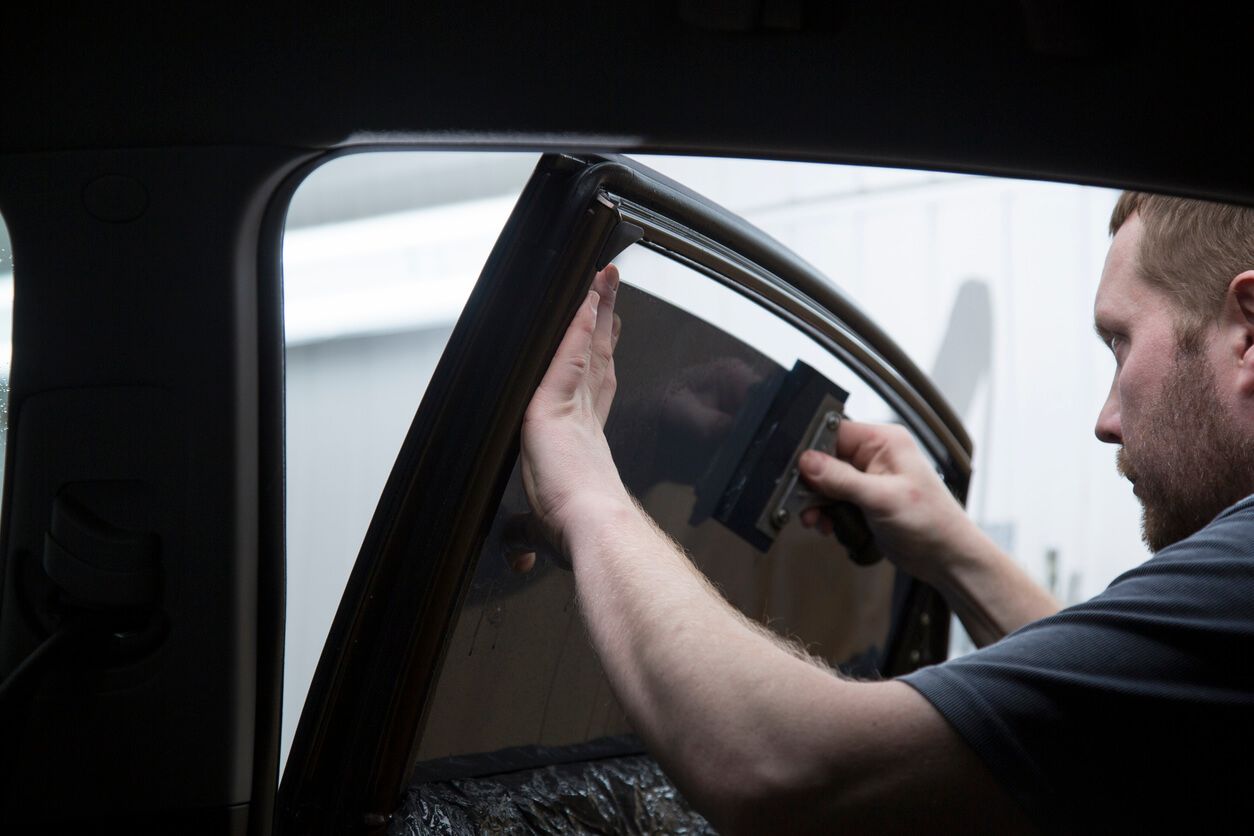
Professional installation is about more than a clean finish. It is also about legal accuracy, product performance, and long-term durability. An experienced installer understands how different films interact with different types of glass. They know how to avoid contamination, edge lift, bubbling, and misalignment.
Just as important, a reputable shop can guide you toward film options that fit your budget and your legal requirements. If you want strong heat rejection with a lighter appearance, they can show you the right products. If you want more privacy while staying compliant, they can help you find the sweet spot.
Premier Window Tinting works with high-quality 3M™ window films and serves drivers in San Antonio who need real performance in real Texas heat. That local experience matters. Tint recommendations that make sense in a mild climate do not always hold up here, where summer can feel like your car is parked inside a hair dryer.
Final Thoughts on Auto Window Tint Laws
Auto window tint laws are not there to ruin your plans. They are there to set boundaries around visibility and safety. The good news is that staying legal does not mean settling for mediocre results. With today’s advanced films, you can get excellent heat rejection, UV protection, glare reduction, and style without pushing past the legal limit.
If you are considering tint for your vehicle, the smartest move is to talk with a knowledgeable local installer before making a decision. In a market like San Antonio, where sun exposure is a daily reality, choosing the right legal tint can make a noticeable difference every time you drive.
The right tint should feel like a relief the moment you close the door: cooler cabin, less glare, more comfort, cleaner look. Not a guessing game. Not a future ticket. Just a better ride, done the right way.
If you are ready to explore legal, high-performance auto tint options in San Antonio, Premier Window Tinting can help you choose a film that fits your vehicle, your goals, and current Texas requirements.
Expert Advice on Automotive, Residential, and Commercial Window Tinting