
How Long Does Window Tint Last? DIY Films vs Professional Installations

Sino Baduza • April 30, 2026

Investing in window tint is a smart decision whether you're protecting your car, home, or commercial property. But like any investment, you want to know how long it will last and what factors determine its lifespan. The answer isn't straightforward, window tint longevity depends on several key factors, including the quality of the film, installation method, and maintenance practices.

At Premier Window Tinting in San Antonio, we regularly answer questions about film longevity from customers deciding between DIY options and professional installation. In this guide, we'll break down everything you need to know about window tint lifespan, the differences between various film types, and how to maximize your investment.

Understanding Window Tint Lifespan

When discussing how long window tint lasts, we're really talking about two things: functional lifespan and physical lifespan.

Functional lifespan refers to how effectively the tint performs its job, blocking UV rays, reducing heat, and preventing glare. A tint might still be stuck to your window but no longer provide the protection you originally purchased it for.

Physical lifespan describes how long the film maintains its appearance without bubbling, peeling, or discoloring.

Most window films fall into a 3-to-20-year range depending on type and quality, but several factors influence where your specific tint lands on that spectrum.

Types of Window Tint and Their Expected Lifespans

Dyed Window Film

Dyed films represent the most budget-friendly option, making them popular for DIY applications and cost-conscious buyers. These films use multiple layers of dye to absorb solar energy and reduce glare.

Expected Lifespan: 3-5 years

Dyed films fade faster than other types because UV exposure breaks down the dye layers over time. You'll often notice them turning purple or brown as they age. While affordable upfront, they require more frequent replacement compared to higher-quality alternatives.

Metalized Window Film

Metalized films contain tiny metallic particles that reflect heat and UV rays away from your windows. They offer better durability than dyed films and provide a distinctive reflective appearance.

Expected Lifespan: 5-10 years

These films resist fading better than dyed options, but they can interfere with GPS, cell phone, and radio signals due to their metallic content. Metalized films work well for automotive applications where heat rejection is a priority.

Carbon Window Film

Carbon films use carbon particles instead of dyes or metals, providing excellent infrared light blocking without signal interference. They offer a matte finish that many property owners prefer.

Expected Lifespan: 7-10 years

Carbon tints don't fade like dyed films and maintain their appearance throughout their lifespan. They're particularly effective at blocking heat while maintaining good visibility.

Ceramic Window Film

Ceramic films represent the premium tier of window tinting technology. These films use non-metallic, non-conductive ceramic particles to reject heat and block UV rays.

Expected Lifespan: 10-20+ years

At Premier Window Tinting, we specialize in 3M™ window films, including their ceramic options. These top-tier films block over 99% of UV rays, provide superior heat rejection, and maintain crystal-clear visibility for decades. While they cost more initially, their longevity and performance make them the most cost-effective choice over time.

Key Factors That Affect How Long Window Tint Lasts

Installation Quality

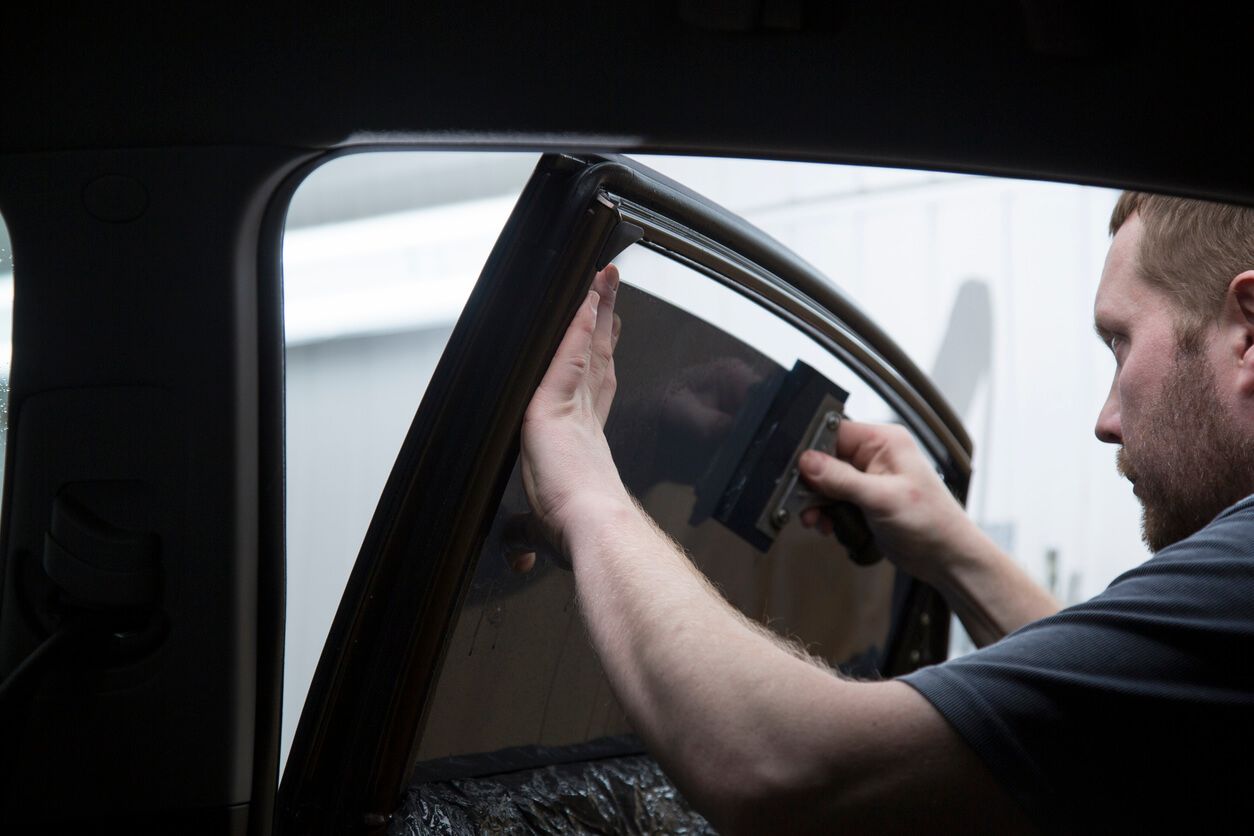
The difference between professional installation and DIY application significantly impacts tint longevity. Professional installers ensure proper glass preparation, precise cutting, and complete adhesive bonding.

Poor installation leads to:

  • Air bubbles that worsen over time
  • Edges that peel or lift
  • Adhesive failure in hot weather
  • Uneven film application that reduces effectiveness

At Premier Window Tinting, our 3M™ Certified Installers have 30+ years of experience. We prepare surfaces thoroughly, apply film in a controlled environment, and ensure proper curing for maximum adhesion.

Sun and Heat Exposure

San Antonio's intense Texas sun accelerates tint degradation, especially for lower-quality films. Direct sunlight exposure causes:

  • Dye breakdown in cheaper films
  • Adhesive weakening
  • Film brittleness
  • Faster color fading

Vehicles parked outdoors year-round experience faster tint degradation than garage-kept cars. Similarly, south-facing windows in homes and offices face more intense sun exposure than north-facing ones.

High-quality ceramic films, like those we install at Premier Window Tinting, resist this degradation far better than standard options. Their advanced composition withstands Texas heat without breaking down.

Maintenance Practices

How you clean and maintain your tinted windows directly impacts their lifespan. Many DIY tinters don't realize that ammonia-based cleaners damage window film.

Best practices for tint maintenance:

  • Use ammonia-free, tint-safe cleaners
  • Clean with soft microfiber cloths only
  • Avoid abrasive materials like paper towels or rough sponges
  • Never scrape tinted windows with sharp objects
  • Wait 3-5 days after installation before cleaning

When you have your windows tinted at Premier Window Tinting, we provide specific maintenance instructions to help maximize your film's lifespan.

Climate and Environment

Beyond sun exposure, other environmental factors affect tint longevity:

  • Humidity: High humidity can compromise adhesive bonds
  • Temperature fluctuations: Extreme hot-cold cycles stress the film
  • Debris: Road debris, tree branches, and dust can scratch automotive tint
  • Pollution: Urban environments expose films to more contaminants

San Antonio's hot, dry climate is actually less damaging than humid coastal environments, but our intense summer heat still puts significant stress on window films.

DIY Window Tint vs Professional Installation: Lifespan Comparison

DIY Window Tint Kits

DIY kits appeal to budget-conscious buyers, but they rarely deliver professional results or longevity.

Typical DIY tint lifespan: 1-3 years

Problems with DIY installation include:

  • Improper surface preparation leaving dust and debris under the film
  • Trapped air bubbles that expand over time
  • Poor adhesion from insufficient pressure during application
  • Incorrect film cutting leaving gaps or overlaps
  • Low-quality films that fade and peel quickly

Most DIYers lack the specialized tools, controlled environment, and experience needed for quality installation. The "savings" often disappear when you need to replace failed tint within a couple years.

Professional Installation

Professional installation costs more upfront but delivers superior results and longevity.

Professional tint lifespan: 5-20+ years (depending on film quality)

Benefits of professional installation include:

  • Thorough glass cleaning and preparation
  • Precise film cutting for perfect fit
  • Proper adhesive activation
  • Controlled environment free from dust and debris
  • Expert application technique
  • Warranty coverage

At Premier Window Tinting, we back our work with comprehensive warranties that protect your investment. When you choose professional installation with premium films, you're investing in long-term protection rather than a temporary fix.

Signs Your Window Tint Needs Replacement

Bubbling and Peeling

Bubbles typically indicate adhesive failure. Once they start, they spread and worsen. Small bubbles near edges might be repairable, but widespread bubbling means it's time for replacement.

Peeling usually begins at corners or edges and progresses inward. This exposes glass to UV rays and eliminates the tint's protective benefits.

Color Changes

Dyed films commonly turn purple, brown, or bronze as they age. This discoloration signals that UV inhibitors have broken down and the film no longer provides adequate protection.

Metalized films might develop a hazy or cloudy appearance, while ceramic films maintain their color throughout their lifespan.

Scratches and Damage

Surface scratches from improper cleaning or debris impact compromise the tint's effectiveness and appearance. Deep scratches can't be buffed out and require full film replacement.

Reduced Performance

If you notice your vehicle interior or building getting hotter despite having tinted windows, the film's heat-rejecting properties have degraded. Similarly, increased glare or fading furniture indicates the tint isn't blocking UV rays effectively anymore.

How to Maximize Your Window Tint Lifespan

Choose Quality Film

Investing in premium ceramic film from the start provides the best long-term value. While dyed film might cost less initially, you'll replace it 3-4 times during the lifespan of one ceramic installation.

Use Professional Installation

Proper installation sets the foundation for long-lasting tint. Professional installers have the skills, tools, and environment to ensure optimal adhesion and appearance.

Follow Maintenance Guidelines

Regular, gentle cleaning with appropriate products keeps tint looking new and functioning properly. Avoid harsh chemicals and abrasive materials.

Park Smart

When possible, park in covered or shaded areas to reduce sun exposure. For homes and offices, consider UV-blocking window treatments on top of tint for maximum protection.

Address Issues Early

If you notice small bubbles or edge lifting, contact your installer promptly. Early intervention might save the film, whereas waiting allows damage to spread.


Warranty Considerations

Quality window tint comes with manufacturer warranties covering defects, fading, bubbling, and peeling. At Premier Window Tinting, we install 3M™ window films backed by industry-leading warranties.

3M™ warranties typically cover:

  • Film bubbling, peeling, cracking, or crazing
  • Discoloration beyond specified limits
  • Glass breakage from thermal shock (up to $500 per window)
  • Seal failure in insulated glass units

Premium ceramic films often include lifetime warranties, while standard films carry 5-10 year coverage. Always review warranty terms and understand what's covered versus excluded.

The Bottom Line: Professional Installation Pays Off

When considering how long window tint lasts, remember that you generally get what you pay for. DIY films and cheap professional options might save money upfront, but they require frequent replacement and deliver inferior performance.

High-quality ceramic films professionally installed by certified technicians provide:

  • 10-20+ years of reliable protection
  • Superior heat and UV rejection
  • Maintained appearance throughout their lifespan
  • Warranty protection
  • Better return on investment

At Premier Window Tinting, we've spent 30+ years helping San Antonio residents and businesses protect their properties with quality window films. As an authorized 3M™ dealer, we offer residential, commercial, and automotive tinting solutions backed by comprehensive warranties and expert installation.


Whether you're tinting your vehicle, home, or business, investing in professional-grade film and installation ensures maximum lifespan and performance. The few hundred dollars saved with DIY options rarely justify the headaches, reduced effectiveness, and early replacement costs.


Ready to protect your property with long-lasting, high-performance window tint? Contact Premier Window Tinting today for a free estimate and learn more about our quality 3M™ window films and lifetime warranty options.

Expert Advice on Automotive, Residential, and Commercial Window Tinting
By Sino Baduza April 1, 2026
Protecting your retail space goes beyond alarm systems and security cameras. Your storefront windows represent one of the most vulnerable points in your building's security, while also serving as your business's face to the world. Whether you operate a boutique shop, restaurant, or commercial office, choosing the right window treatment impacts security, energy costs, customer comfort, and your bottom line. Two popular options for retail properties are storefront window tint and clear security film. While both offer valuable benefits, they serve different primary purposes and provide distinct advantages. Understanding these differences helps you make the right investment for your specific needs. At Premier Window Tinting in San Antonio, we help retail business owners evaluate their options and select window solutions that address their unique challenges. Let's explore the key differences between window tint and security film, their respective benefits, and how to determine which option works best for your storefront. Understanding Storefront Window Tint Storefront window tint refers to films applied to commercial glass that primarily control solar heat, reduce glare, and block UV radiation. These films come in various shades and can be reflective or non-reflective depending on your needs. Primary Benefits of Window Tint for Retail Heat Reduction and Energy Savings San Antonio's intense sun creates hot spots near storefront windows and glass doors, making the shopping experience uncomfortable for customers and expensive for business owners. Quality window tint can reduce heat gain by up to 60%, significantly lowering air conditioning costs. When customers walk through your door and immediately feel comfortable instead of overheated, they stay longer and browse more. Your HVAC system works less, reducing both energy bills and maintenance costs. UV Protection Ultraviolet radiation causes fading and discoloration in merchandise, displays, flooring, and furnishings. Window tint blocks over 99% of harmful UV rays, protecting your inventory investment and maintaining the appearance of your store interior. For retailers selling clothing, furniture, artwork, or any products displayed near windows, UV protection directly impacts product quality and reduces loss from sun-damaged inventory. Glare Reduction Intense glare from morning and evening sun makes it difficult for customers to see product displays clearly and can create uncomfortable bright spots throughout your store. Window tint eliminates this glare while maintaining natural light, creating a more pleasant shopping environment. Enhanced Privacy Depending on the darkness level, window tint provides varying degrees of privacy while still allowing natural light into your space. This works well for businesses that want to control visibility into the store while maintaining an open, welcoming atmosphere. Limitations of Standard Window Tint While window tint excels at solar control and comfort, it offers minimal security benefits. Standard tinting films don't significantly strengthen glass or prevent break-ins. If security is your primary concern, tint alone won't adequately protect your storefront. Understanding Clear Security Film Security window film focuses on reinforcing glass to prevent or delay forced entry, protect against smash-and-grab theft, and hold shattered glass together during break-in attempts or accidents. Primary Benefits of Security Film for Retail Smash-and-Grab Prevention Security films create a barrier that holds glass together even when struck forcefully. During a smash-and-grab attempt, the film prevents glass from immediately shattering and falling away, making it difficult for intruders to quickly gain access. This delay often discourages criminals who rely on speed. Many smash-and-grab attempts are abandoned when thieves encounter unexpected resistance from security film. Protection Against Glass Injury When storefront glass breaks, whether from attempted break-ins, accidents, or severe weather, security film holds the shattered pieces together. This prevents dangerous glass shards from injuring customers, employees, or passersby. For liability-conscious business owners, this protection offers important peace of mind and potentially reduces insurance claims related to glass injuries. Vandalism Resistance Security film makes it harder for vandals to damage your storefront glass. While determined vandals can still cause damage, the film significantly increases the effort required, often deterring casual vandalism. Storm Protection In severe weather, security film helps prevent window blowouts from flying debris. The film holds broken glass in place rather than allowing it to scatter throughout your store, protecting both people and merchandise. Clear vs Tinted Security Film Security films come in both clear and tinted versions. Clear security film provides all the protective benefits without changing the appearance of your storefront. This appeals to businesses that want to maintain maximum visibility and natural light while adding security. Tinted security films combine protective properties with solar control benefits, offering a hybrid solution that addresses multiple needs. Key Differences: Window Tint vs Security Film Primary Purpose Window Tint: Solar control, heat reduction, UV protection, glare elimination Security Film: Break-in prevention, glass reinforcement, shatter protection Film Thickness Window Tint: Typically 1-3 mils thick, designed for solar performance Security Film: Usually 4-15 mils thick, designed for strength and impact resistance Impact Resistance Window Tint: Minimal impact resistance, easily penetrated Security Film: High impact resistance, holds glass together when struck Installation Considerations Window Tint: Standard application to interior glass surface Security Film: Often requires edge-to-edge installation and may include anchoring systems for maximum effectiveness Cost Comparison Window Tint: Generally lower cost per square foot Security Film: Higher cost due to thicker material and more complex installation Which Option Is Right for Your Retail Space? Selecting between window tint and security film, or determining if you need both, depends on your specific challenges and priorities. Choose Window Tint If: Your primary concern is reducing energy costs and improving customer comfort You need UV protection for merchandise and displays Glare from the sun creates visibility or comfort issues You want some privacy without sacrificing natural light Break-ins and vandalism are not major concerns in your area Window tint makes excellent sense for retail spaces with large glass areas that create heat and glare problems. The energy savings often pay for the installation within a few years. Choose Security Film If: Your location experiences frequent break-in attempts or smash-and-grab incidents You store high-value merchandise near windows Your storefront has experienced vandalism You're concerned about liability from broken glass injuries You want to meet insurance requirements for security improvements Security film provides essential protection for retailers in high-crime areas or those dealing with valuable inventory displayed near street-facing windows. Consider Combination Solutions If: You face both solar control and security challenges You want comprehensive protection covering multiple concerns Your budget allows for investing in both benefits Many retail locations benefit from combination approaches. You might install security film on street-facing windows for protection while using standard solar film on other windows for energy efficiency. Alternatively, tinted security films offer both benefits in a single product. What About Decorative and Privacy Options? Beyond basic window tint and security film, retail businesses can also consider: Frosted Films Frosted window films provide privacy while allowing natural light transmission. These work well for offices, service counters, or storage areas where you want to block visibility without darkening the space. Decorative Films Custom graphics, patterns, and branded designs can be incorporated into window films, creating visual interest while providing functional benefits. These options help with branding and aesthetics while potentially offering privacy or solar control. One-Way Mirror Films These films allow you to see out clearly while limiting visibility into your store. They work best in specific lighting conditions and can reduce the "come in and browse" appeal of retail spaces, so consider your business model carefully. Professional Installation Makes the Difference Whether you choose window tint, security film, or a combination solution, professional installation is essential for optimal performance. DIY installation of security film rarely achieves the proper adhesion or edge-to-edge coverage needed for effectiveness. Poorly installed security film may peel, bubble, or fail to hold glass together as intended. Similarly, window tint requires proper surface preparation, precise cutting, and expert application to avoid bubbles, gaps, or premature failure. At Premier Window Tinting, our experienced team has installed thousands of square feet of commercial window film throughout San Antonio. As an authorized 3M™ dealer, we work with industry-leading products backed by comprehensive warranties. Additional Considerations for Retail Spaces Local Building Codes and Regulations Some municipalities have specific requirements or restrictions regarding window tinting darkness levels or reflectivity on commercial properties. Always verify local codes before making your selection. Insurance Requirements Some insurance policies offer discounts for security improvements like protective window film. Check with your insurance agent about potential savings that might offset installation costs. Conversely, some policies may have specific security requirements to maintain coverage. Security film might help you meet these requirements. Lease Agreements If you rent your retail space, review your lease agreement regarding window modifications. Most window films can be removed without damaging glass, but some landlords have specific policies about tenant alterations. Lighting and Aesthetics Consider how your window film choice affects both interior and exterior appearance. Very dark tints might make your store look closed or unwelcoming during the day, while clear options maintain maximum visibility. Test samples in your actual lighting conditions before committing to a full installation. Maintenance and Longevity Both window tint and security film require proper maintenance for optimal longevity. Cleaning Guidelines: Use ammonia-free, tint-safe cleaning products Clean with soft microfiber cloths Avoid abrasive materials or sharp objects Follow manufacturer-specific care instructions Expected Lifespan: Standard window tint: 7-10 years Premium ceramic tint: 10-20+ years Security film: 10-15 years With proper care and professional installation, quality window films provide years of reliable performance and protection. Making Your Decision Choosing between storefront window tint and security film comes down to identifying your primary needs: For solar control, energy savings, and customer comfort , window tint delivers excellent value and quick return on investment through reduced cooling costs. For security, break-in prevention, and liability protection , security film provides essential reinforcement that standard tint cannot match. For comprehensive protection addressing both concerns, consider either tinted security film or a combination approach using different films for different applications. At Premier Window Tinting , we offer free estimates for commercial window film installations throughout San Antonio. Our team evaluates your specific situation, discusses your priorities and budget, and recommends solutions tailored to your retail space. With 30+ years of experience installing 3M™ window films for commercial properties, we understand the unique challenges facing retail businesses. Whether you need basic solar control, advanced security protection, or custom solutions combining multiple benefits, we have the expertise and products to meet your needs. Ready to protect your storefront while improving comfort and reducing costs? Contact Premier Window Tinting today for a free consultation and estimate. We'll help you choose the right window film solution for your retail business.
By Muhammad Sufyan March 13, 2026
Advantages of ceramic coating explained discover how it protects car paint, boosts shine, repels dirt, and reduces maintenance for long lasting results.
Car Paint Protection
March 12, 2026
Looking for paint protection film near me in San Antonio? Premier Window Tinting installs self-healing PPF in gloss, matte, or color with warranty.
More Posts