
The Ultimate Car Window Tinting Guide: Benefits, Types, and Installation Process
Billy Scott • March 25, 2025
Tinting of car windows

Driving should be an enjoyable experience, not a precarious one. With the rising concerns over UV exposure and its effects on both our health and car interiors, it’s time to consider car window tinting. It not only blocks harmful rays but also significantly reduces glare, which can be a major distraction. Plus, for those who value privacy, the additional layer of tint ensures that prying eyes cannot see inside your vehicle.


Let's explore how car window tinting installation in San Antonio, TX, can make your driving experience safer and more comfortable.


What Is a Car Window Tint?


Car window tint refers to a thin film applied to the interior or exterior of glass surfaces on vehicles. This film is designed to reduce glare, heat, and UV radiation entering through the windows. With a variety of options available, window tint not only improves comfort but also enhances the vehicle's overall appearance. From enhancing aesthetic preferences to offering functional benefits like glare reduction and UV protection, the right tint can make a significant difference.


Common Car Window Tinting Types


Choosing the right type of window tint can significantly impact the functionality and benefits it provides. Below are some of the most popular types available on the market:


Dyed Window Tint


For those seeking a sleek, understated look, dyed window tint is a go-to. This budget-friendly option enhances your vehicle's aesthetics and serves practical functions. 

Here's why you might consider dyed tint:

  • Increases privacy by providing a darker appearance from the outside.
  • Blocks sunlight to reduce interior fading and lower cabin temperatures.
  • Offers glare reduction, making driving more comfortable.
  • Affordable, making it an excellent choice for cost-conscious consumers.


Metalized Window Tint


Metalized window tint goes beyond mere aesthetics, offering exceptional functional benefits due to its reflective properties. It is perfect for those in hotter climates or anyone looking to enhance their vehicle's resilience. 

Consider these advantages:

  • Reflects heat and UV rays, improving comfort inside the vehicle.
  • Increases window strength, providing an extra layer of protection.
  • Offers a unique, shiny exterior appearance that stands out.
  • Long-lasting and durable against wear.


The Hybrid Dye and Metallic Tint Film


If you're torn between dyed and metalized tints, the hybrid tint offers a perfect compromise. Combining the best features of both, this tint type suits many drivers' needs. 

Below are some of its key benefits:

  • Reduces glare effectively, allowing for safer driving conditions.
  • Balances heat rejection without compromising signal integrity.
  • Less metal is used, reducing potential interference with electronic devices.
  • Aesthetic appeal without the shiny appearance of fully metalized films.


Carbon Tint Film


Step up your game with carbon tint film, which offers more than just good looks. Known for its protective features, carbon tint is an excellent investment for any vehicle. 

Here’s why you might choose it:

  • Blocks infrared rays efficiently, keeping the car's interior cooler.
  • Provides a unique matte finish that enhances your vehicle's look.
  • Resistant to fading, promoting a longer-lasting quality appearance.
  • Helps in maintaining a consistent temperature throughout the seasons.


Crystalline Window Tint


Opt for crystalline tint if you want UV protection without sacrificing visibility. It is ideal for drivers who prefer a barely-there look that packs a protective punch. 

People choose this type of tint because it:

  • Blocks solar heat and UV rays, safeguarding passengers and interiors.
  • Preserves natural visibility and light, maintaining the original glass look.
  • Ideal for maintaining a clearer view while driving during the day.
  • Non-darker protective screen suitable for all vehicle types.


Ceramic Window Tint


The ceramic window tint is a top-tier choice for those who value performance and clarity. Using advanced technology, this tint type offers several compelling benefits, making it a popular choice among discerning car owners:

  • Superior UV and heat rejection capabilities to keep your vehicle cool and protected.
  • Does not interfere with electronic signals, ensuring device functionality.
  • Offers better visibility compared to darker tints, suitable for all driving conditions.
  • Durable and designed to resist glare and fading over time.


What Are the Benefits of Car Window Tinting?


Here are the key car window tinting benefits that enhance both the functionality and aesthetics of your vehicle.


UV Protection


Window tint film blocks up to 99% of harmful ultraviolet rays, providing maximum protection for passengers and the vehicle's interior. By preventing exposure to sunlight, tints help avoid skin damage and premature aging of car interiors. The use of high-quality window tint film is vital to protect against the fading colors and materials inside your car.


Heat Reduction


Tinted windows significantly reduce the heat buildup inside your vehicle, particularly during the hot summer months. This superior heat rejection capability enables a cooler vehicle interior without excessive use of air conditioning. As a result, ceramic window tints and other types of tints with high heat rejection values contribute to greater energy efficiency and comfort.


Enhanced Privacy


With darker tints, window tint film provides an essential layer of privacy for passengers, making it more challenging for potential thieves to see inside. This level of privacy also protects valuable items left in the car, enhancing overall vehicle security. High-quality tints are an effective solution that maintains visibility for the driver while shielding the car from unwanted attention.


Safety Improvements


The adhesive layer incorporated in window tint film helps bind the glass surface in the event of a breakage, potentially saving passengers from dangerous shards. This protective benefit is key during accidents where broken glass poses additional risks. Automotive window tinting thus serves not only aesthetic and practical benefits but also safety enhancements.


Glare Reduction


Car window tints reduce glare by filtering the direct sunlight that enters through the windows, enhancing visual comfort for the driver. Reducing this glare minimizes eye strain and improves concentration on the road. Whether using metallic tints or dyed films, the reduction in glare can help create safer driving conditions.


Improved Aesthetics


Apart from their functional advantages, types of window tints like carbon tint, metallic tints, and dyed tints also boost the external appearance of vehicles. These films offer varying degrees of a shiny or black appearance, providing a sleek, customized look. Installing high-quality window tint is a popular option that enhances both the aesthetics and resale value of any type of vehicle.


Car Window Tinting Installation: The Process


Correct car window tinting installation is essential for maximizing its effectiveness and durability. Achieving flawless car window tinting involves choosing the right type of window tint film, adhering closely to both tint laws and legal regulations, and using high-quality materials to provide superior heat rejection and privacy benefits. 

Here are the key steps in the installation process:


Step 1: Choose the Right Type of Tint


The first step in the installation process is selecting a tint that meets your driving comfort needs while adhering to legal tint limits. Consider options like ceramic tints for superior heat rejection capabilities, and verify that the type of tint chosen does not interfere with electronic devices or GPS signals in your vehicle. When selecting the perfect tint for your car, it's essential to balance legal regulations, personal preferences, and functional benefits.


Step 2: Clean the Windows


Start by thoroughly cleaning the windows with a microfiber cloth and a mild soap solution. Any residual oils, dirt, or dust can hinder the adhesive properties of the tint film, leading to a less durable installation. Make sure the entire window pane is spotless before proceeding to guarantee a flawless finish and optimal clarity through your newly tinted windows.


Step 3: Measure and Cut the Film


Accurately measure the windows using a tape measure, then use a precision or utility knife to cut the window film to the exact dimensions of your glass. This meticulous approach prevents issues such as excess material, which can impede visibility and diminish the look of your tint. Taking time to measure and cut precisely contributes to a professional and seamless appearance for your window tint installation.


Step 4: Apply the Film


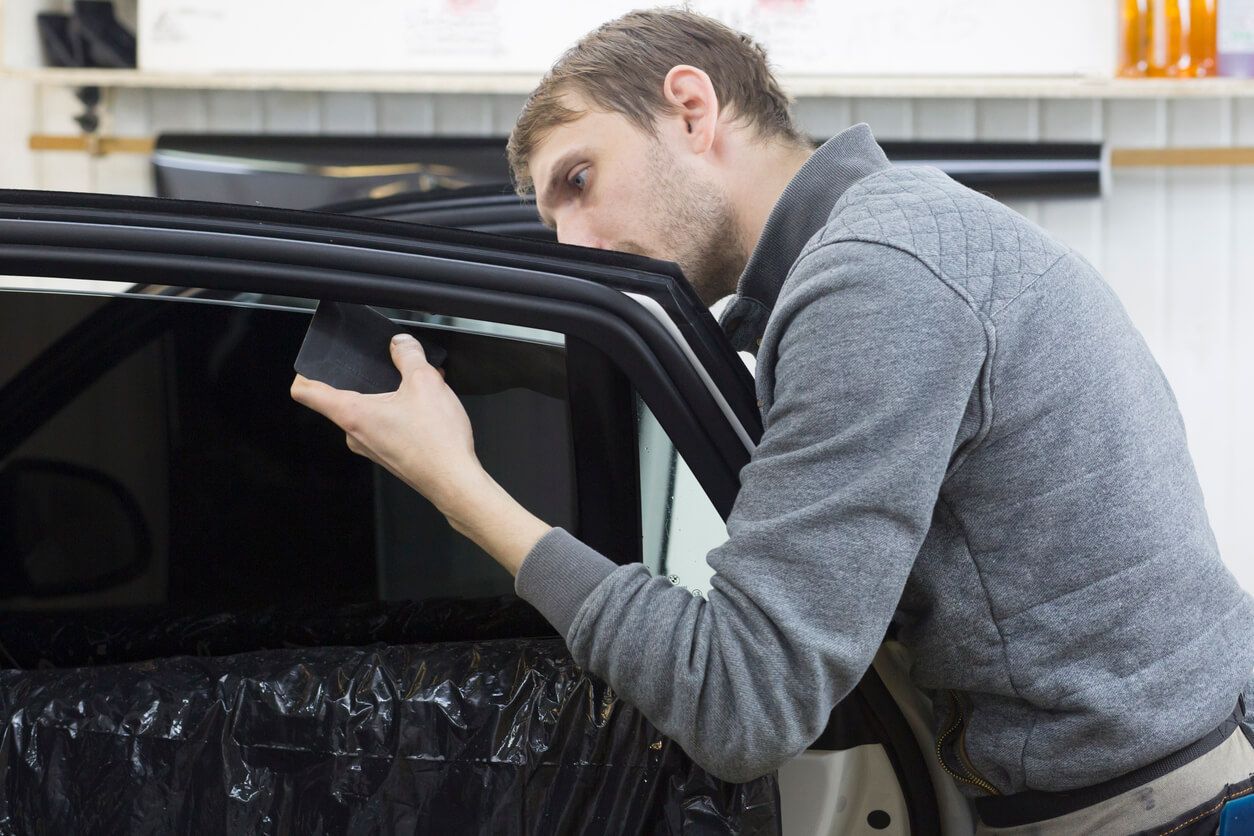
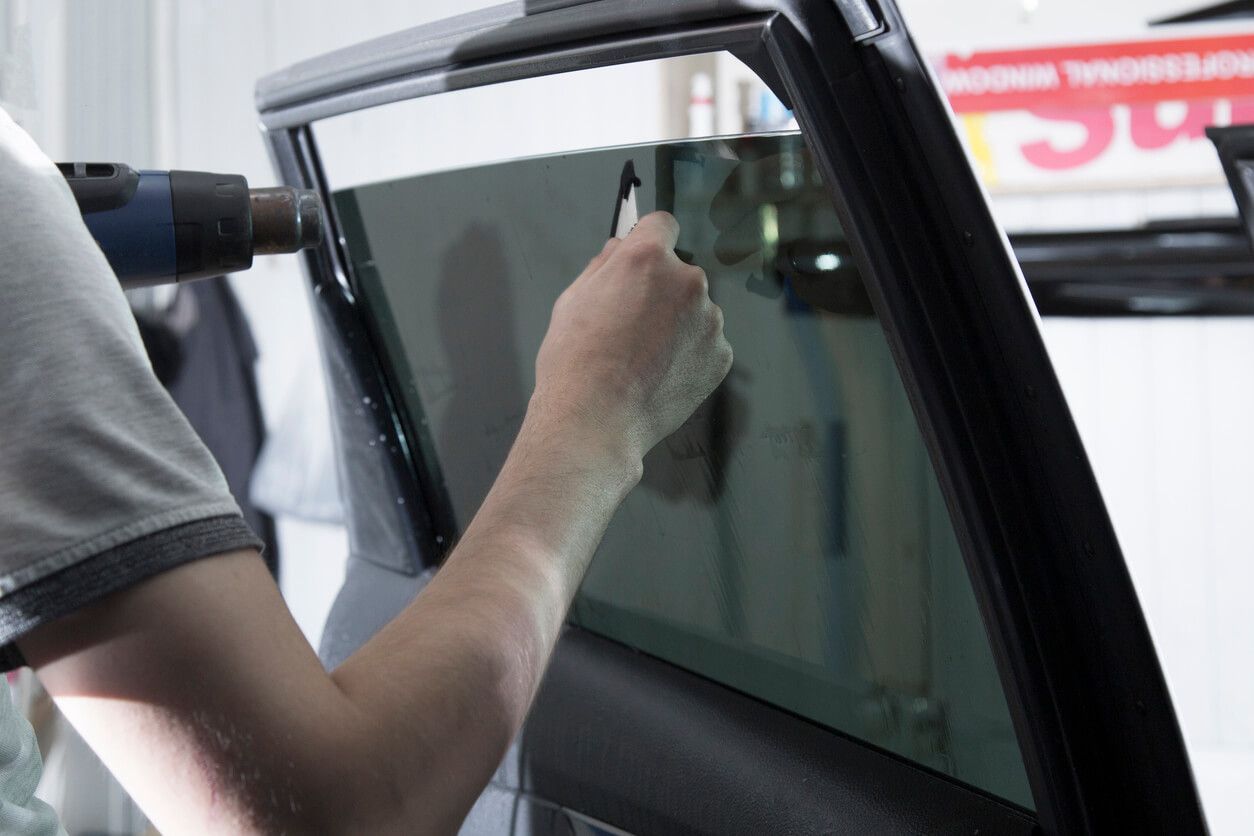
Begin application at the bottom of the window, slowly moving upwards to lay the film evenly. Use a squeegee to gently smooth out the film, removing air bubbles and securing an even adhesion to the window surface. Proper technique in this step is critical to preventing creases and making sure the tint film adheres smoothly, offering a consistent and elegant aesthetic.


Step 5: Dry and Cure


Give the newly applied tint adequate time to dry and cure, which could last several days depending on the specific film material used and existing weather conditions. During this phase, the adhesive layer should fully bond with the glass. Avoid rolling down windows or cleaning them during curing to allow the adhesive to set properly without disruptions.

If you lack the time or expertise to install window tint properly, it's best to let professionals handle the job. Professional window tinting services have the necessary tools and experience to make sure that the installation meets all legal requirements and is performed without errors. Entrusting your car to experts not only guarantees a flawless finish but also maximizes the practical benefits of your tint film.


How Much Does Car Window Tinting Cost?


The cost of window tinting varies widely based on factors like the type of vehicle, the type of tint, and whether you opt for professional installation. Generally, prices can range from a few hundred dollars for basic tints to more for high-quality materials and advanced tint types. Considering the long-term benefits of UV protection, energy savings, and increased comfort, investing in a high-quality tint can offer good value.


Car Window Tinting Frequently Asked Questions


Is 20% or 35% Tint Darker?


A 20% tint only allows 20% of visible light to pass through, thus providing a darker shade compared to a 35% tint, which permits more light. Darker tints enhance privacy but can affect driving visibility at night. When choosing the level of tint darkness, it's crucial to consider both personal preferences and the specific legal limits set by local regulations.


What Is the Darkest Legal Window Tint?


The darkest legal tint for automotive window tinting varies widely depending on local and state regulations. Legal limits on the light transmission percentage are enforced to maintain safe visibility while driving. To avoid legal troubles and fines, always verify with your local Department of Motor Vehicles (DMV) or law enforcement officers to understand the legal tint limit in your region before tint installation.


What Percentage Should I Tint My Car Windows?


Selecting the right tint percentage for your vehicle involves balancing aesthetic preferences, desired levels of privacy, and effective heat rejection while complying with legal standards. Passenger vehicles commonly opt for tint levels ranging from 20% to 50%, depending on the driver's needs and local tinting regulations. 


Consulting with a professional installation service can help determine the perfect tint that complies with the law and meets your requirements for comfort and privacy.


Ready for a Cooler, Safer Car? Get Quality Window Tints From Premier Window Tinting Today!


Car window tinting offers a remarkable range of benefits, from enhanced privacy and UV protection to a cooler cabin and increased safety features. With various options to choose from, you can achieve the perfect balance of style, comfort, and protection. 


If you're looking to upgrade your vehicle, Premier Window Tinting is here to provide top-quality products and expert installation. As leaders in the industry, we're equipped to help you select and apply the ideal window tint for your vehicle.


Contact us today for a custom solution that meets your car’s needs and lets you drive in comfort and style!

Expert Advice on Automotive, Residential, and Commercial Window Tinting

By Sino Baduza April 1, 2026
Protecting your retail space goes beyond alarm systems and security cameras. Your storefront windows represent one of the most vulnerable points in your building's security, while also serving as your business's face to the world. Whether you operate a boutique shop, restaurant, or commercial office, choosing the right window treatment impacts security, energy costs, customer comfort, and your bottom line. Two popular options for retail properties are storefront window tint and clear security film. While both offer valuable benefits, they serve different primary purposes and provide distinct advantages. Understanding these differences helps you make the right investment for your specific needs. At Premier Window Tinting in San Antonio, we help retail business owners evaluate their options and select window solutions that address their unique challenges. Let's explore the key differences between window tint and security film, their respective benefits, and how to determine which option works best for your storefront. Understanding Storefront Window Tint Storefront window tint refers to films applied to commercial glass that primarily control solar heat, reduce glare, and block UV radiation. These films come in various shades and can be reflective or non-reflective depending on your needs. Primary Benefits of Window Tint for Retail Heat Reduction and Energy Savings San Antonio's intense sun creates hot spots near storefront windows and glass doors, making the shopping experience uncomfortable for customers and expensive for business owners. Quality window tint can reduce heat gain by up to 60%, significantly lowering air conditioning costs. When customers walk through your door and immediately feel comfortable instead of overheated, they stay longer and browse more. Your HVAC system works less, reducing both energy bills and maintenance costs. UV Protection Ultraviolet radiation causes fading and discoloration in merchandise, displays, flooring, and furnishings. Window tint blocks over 99% of harmful UV rays, protecting your inventory investment and maintaining the appearance of your store interior. For retailers selling clothing, furniture, artwork, or any products displayed near windows, UV protection directly impacts product quality and reduces loss from sun-damaged inventory. Glare Reduction Intense glare from morning and evening sun makes it difficult for customers to see product displays clearly and can create uncomfortable bright spots throughout your store. Window tint eliminates this glare while maintaining natural light, creating a more pleasant shopping environment. Enhanced Privacy Depending on the darkness level, window tint provides varying degrees of privacy while still allowing natural light into your space. This works well for businesses that want to control visibility into the store while maintaining an open, welcoming atmosphere. Limitations of Standard Window Tint While window tint excels at solar control and comfort, it offers minimal security benefits. Standard tinting films don't significantly strengthen glass or prevent break-ins. If security is your primary concern, tint alone won't adequately protect your storefront. Understanding Clear Security Film Security window film focuses on reinforcing glass to prevent or delay forced entry, protect against smash-and-grab theft, and hold shattered glass together during break-in attempts or accidents. Primary Benefits of Security Film for Retail Smash-and-Grab Prevention Security films create a barrier that holds glass together even when struck forcefully. During a smash-and-grab attempt, the film prevents glass from immediately shattering and falling away, making it difficult for intruders to quickly gain access. This delay often discourages criminals who rely on speed. Many smash-and-grab attempts are abandoned when thieves encounter unexpected resistance from security film. Protection Against Glass Injury When storefront glass breaks, whether from attempted break-ins, accidents, or severe weather, security film holds the shattered pieces together. This prevents dangerous glass shards from injuring customers, employees, or passersby. For liability-conscious business owners, this protection offers important peace of mind and potentially reduces insurance claims related to glass injuries. Vandalism Resistance Security film makes it harder for vandals to damage your storefront glass. While determined vandals can still cause damage, the film significantly increases the effort required, often deterring casual vandalism. Storm Protection In severe weather, security film helps prevent window blowouts from flying debris. The film holds broken glass in place rather than allowing it to scatter throughout your store, protecting both people and merchandise. Clear vs Tinted Security Film Security films come in both clear and tinted versions. Clear security film provides all the protective benefits without changing the appearance of your storefront. This appeals to businesses that want to maintain maximum visibility and natural light while adding security. Tinted security films combine protective properties with solar control benefits, offering a hybrid solution that addresses multiple needs. Key Differences: Window Tint vs Security Film Primary Purpose Window Tint: Solar control, heat reduction, UV protection, glare elimination Security Film: Break-in prevention, glass reinforcement, shatter protection Film Thickness Window Tint: Typically 1-3 mils thick, designed for solar performance Security Film: Usually 4-15 mils thick, designed for strength and impact resistance Impact Resistance Window Tint: Minimal impact resistance, easily penetrated Security Film: High impact resistance, holds glass together when struck Installation Considerations Window Tint: Standard application to interior glass surface Security Film: Often requires edge-to-edge installation and may include anchoring systems for maximum effectiveness Cost Comparison Window Tint: Generally lower cost per square foot Security Film: Higher cost due to thicker material and more complex installation Which Option Is Right for Your Retail Space? Selecting between window tint and security film, or determining if you need both, depends on your specific challenges and priorities. Choose Window Tint If: Your primary concern is reducing energy costs and improving customer comfort You need UV protection for merchandise and displays Glare from the sun creates visibility or comfort issues You want some privacy without sacrificing natural light Break-ins and vandalism are not major concerns in your area Window tint makes excellent sense for retail spaces with large glass areas that create heat and glare problems. The energy savings often pay for the installation within a few years. Choose Security Film If: Your location experiences frequent break-in attempts or smash-and-grab incidents You store high-value merchandise near windows Your storefront has experienced vandalism You're concerned about liability from broken glass injuries You want to meet insurance requirements for security improvements Security film provides essential protection for retailers in high-crime areas or those dealing with valuable inventory displayed near street-facing windows. Consider Combination Solutions If: You face both solar control and security challenges You want comprehensive protection covering multiple concerns Your budget allows for investing in both benefits Many retail locations benefit from combination approaches. You might install security film on street-facing windows for protection while using standard solar film on other windows for energy efficiency. Alternatively, tinted security films offer both benefits in a single product. What About Decorative and Privacy Options? Beyond basic window tint and security film, retail businesses can also consider: Frosted Films Frosted window films provide privacy while allowing natural light transmission. These work well for offices, service counters, or storage areas where you want to block visibility without darkening the space. Decorative Films Custom graphics, patterns, and branded designs can be incorporated into window films, creating visual interest while providing functional benefits. These options help with branding and aesthetics while potentially offering privacy or solar control. One-Way Mirror Films These films allow you to see out clearly while limiting visibility into your store. They work best in specific lighting conditions and can reduce the "come in and browse" appeal of retail spaces, so consider your business model carefully. Professional Installation Makes the Difference Whether you choose window tint, security film, or a combination solution, professional installation is essential for optimal performance. DIY installation of security film rarely achieves the proper adhesion or edge-to-edge coverage needed for effectiveness. Poorly installed security film may peel, bubble, or fail to hold glass together as intended. Similarly, window tint requires proper surface preparation, precise cutting, and expert application to avoid bubbles, gaps, or premature failure. At Premier Window Tinting, our experienced team has installed thousands of square feet of commercial window film throughout San Antonio. As an authorized 3M™ dealer, we work with industry-leading products backed by comprehensive warranties. Additional Considerations for Retail Spaces Local Building Codes and Regulations Some municipalities have specific requirements or restrictions regarding window tinting darkness levels or reflectivity on commercial properties. Always verify local codes before making your selection. Insurance Requirements Some insurance policies offer discounts for security improvements like protective window film. Check with your insurance agent about potential savings that might offset installation costs. Conversely, some policies may have specific security requirements to maintain coverage. Security film might help you meet these requirements. Lease Agreements If you rent your retail space, review your lease agreement regarding window modifications. Most window films can be removed without damaging glass, but some landlords have specific policies about tenant alterations. Lighting and Aesthetics Consider how your window film choice affects both interior and exterior appearance. Very dark tints might make your store look closed or unwelcoming during the day, while clear options maintain maximum visibility. Test samples in your actual lighting conditions before committing to a full installation. Maintenance and Longevity Both window tint and security film require proper maintenance for optimal longevity. Cleaning Guidelines: Use ammonia-free, tint-safe cleaning products Clean with soft microfiber cloths Avoid abrasive materials or sharp objects Follow manufacturer-specific care instructions Expected Lifespan: Standard window tint: 7-10 years Premium ceramic tint: 10-20+ years Security film: 10-15 years With proper care and professional installation, quality window films provide years of reliable performance and protection. Making Your Decision Choosing between storefront window tint and security film comes down to identifying your primary needs: For solar control, energy savings, and customer comfort , window tint delivers excellent value and quick return on investment through reduced cooling costs. For security, break-in prevention, and liability protection , security film provides essential reinforcement that standard tint cannot match. For comprehensive protection addressing both concerns, consider either tinted security film or a combination approach using different films for different applications. At Premier Window Tinting , we offer free estimates for commercial window film installations throughout San Antonio. Our team evaluates your specific situation, discusses your priorities and budget, and recommends solutions tailored to your retail space. With 30+ years of experience installing 3M™ window films for commercial properties, we understand the unique challenges facing retail businesses. Whether you need basic solar control, advanced security protection, or custom solutions combining multiple benefits, we have the expertise and products to meet your needs. Ready to protect your storefront while improving comfort and reducing costs? Contact Premier Window Tinting today for a free consultation and estimate. We'll help you choose the right window film solution for your retail business.
By Muhammad Sufyan March 13, 2026
Advantages of ceramic coating explained discover how it protects car paint, boosts shine, repels dirt, and reduces maintenance for long lasting results.
Car Paint Protection
March 12, 2026
Looking for paint protection film near me in San Antonio? Premier Window Tinting installs self-healing PPF in gloss, matte, or color with warranty.
More Posts