
DIY Window Tinting: Can You Do It Yourself or Should You Hire a Pro?
Sino Baduza • December 10, 2025
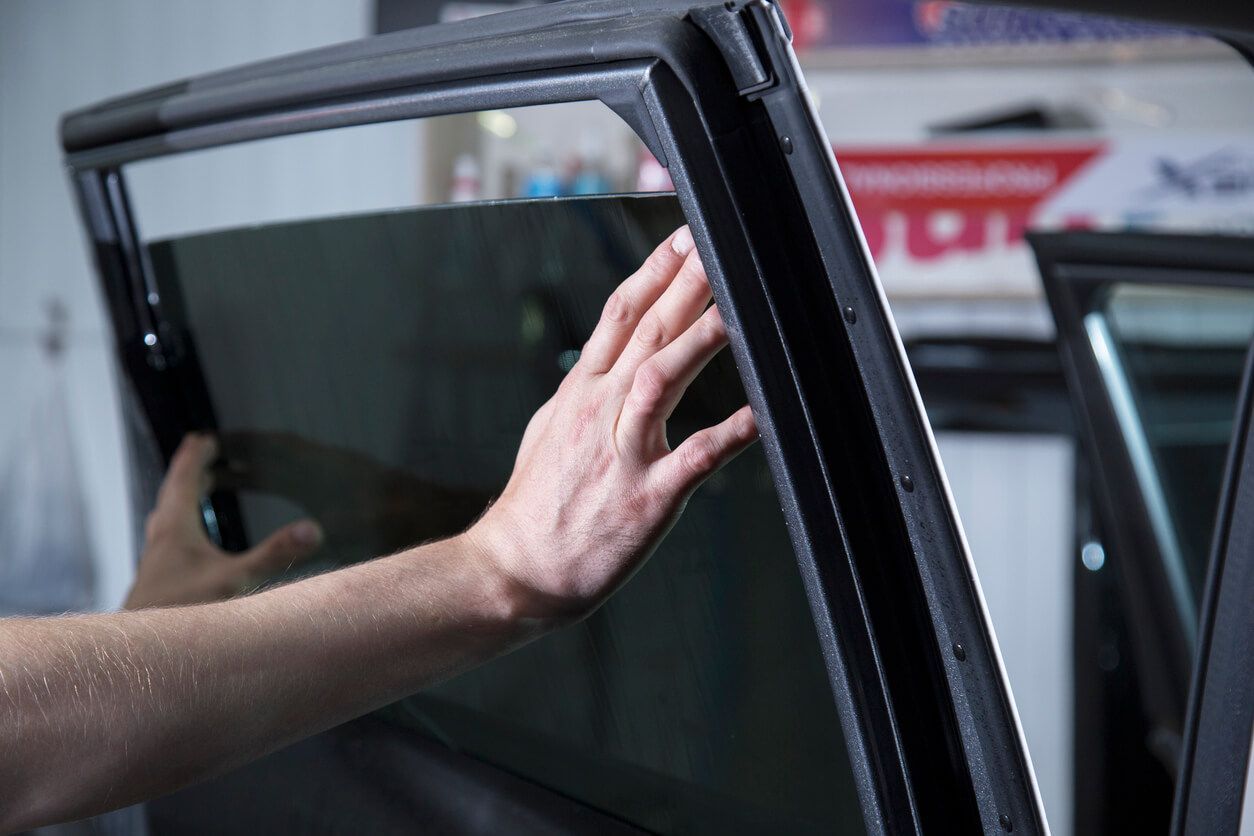
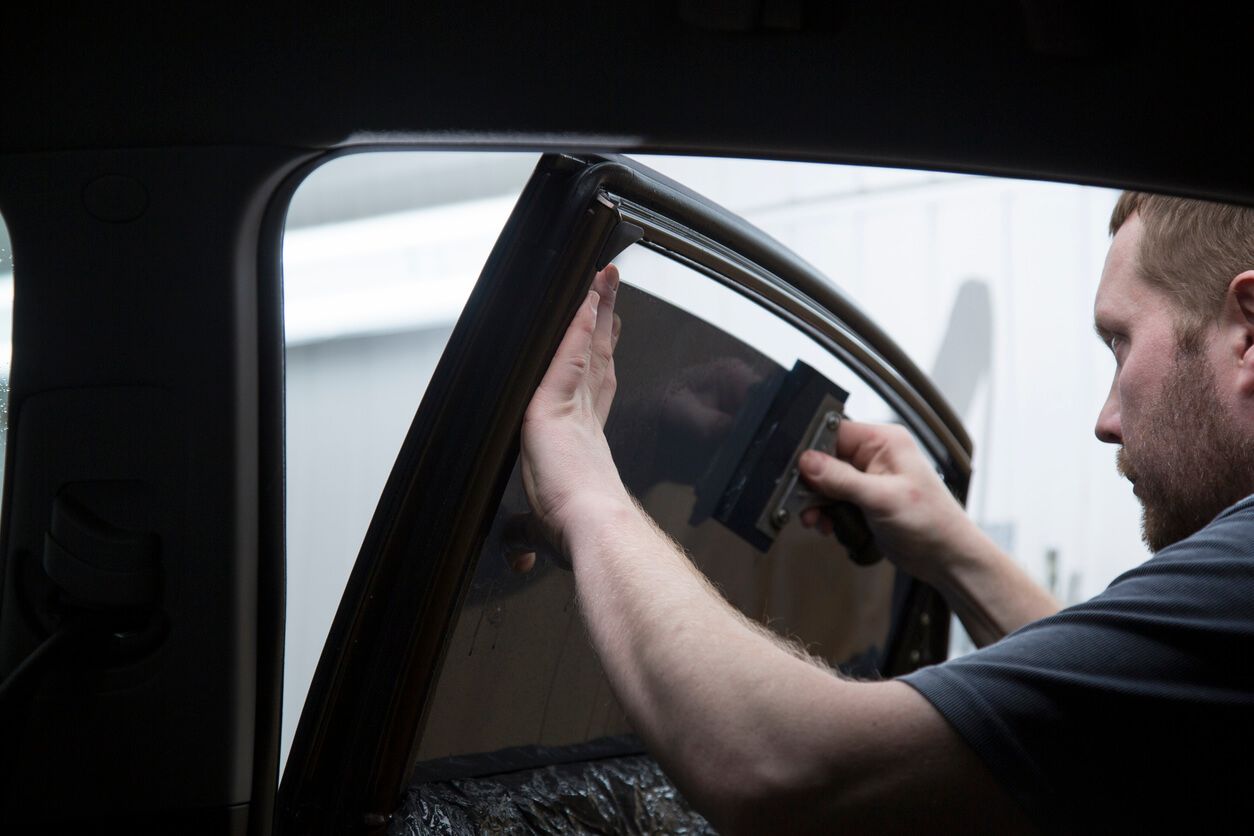
A man works on a car window, demonstrating a step in the window tint removal process.

Window tinting has become a sought-after upgrade for car owners and homeowners, offering privacy, UV protection, heat control, and a polished appearance. While DIY car window tint kits and online tutorials have become more accessible, it’s still a common question: how hard is it to tint your own windows, and can the average person achieve professional-level results? This article breaks down the entire process, weighing the advantages, drawbacks, and real-world challenges faced by both do-it-yourselfers and those who hire a pro.


The DIY Window Tinting Process: What’s Involved?


Attempting to tint your own windows is now easier than it was years ago, thanks to detailed instruction videos and ready-to-use tint kits that often include pre-cut pieces for specific car models. Still, “easy” is a relative term—what might seem simple in a video can quickly become a real challenge once you work with sticky adhesive, delicate tint film, and large, curved window glass. 


If you’ve ever wondered, "How hard is it to tint your own windows?" It’s safe to say that the process requires precision, patience, and an eye for detail.


  • Clean and Prep: Cleaning the glass thoroughly is crucial; leaving behind dust or grease can result in bubbles or prevent proper adhesion. Skipping this step is one of the most common mistakes for DIYers.


  • Measure and Cut: Some kits come with pre-cut pieces, while others require custom trimming. Achieving straight lines and getting the perfect fit along window edges takes a steady hand and some practice, especially for old or unusual window shapes.


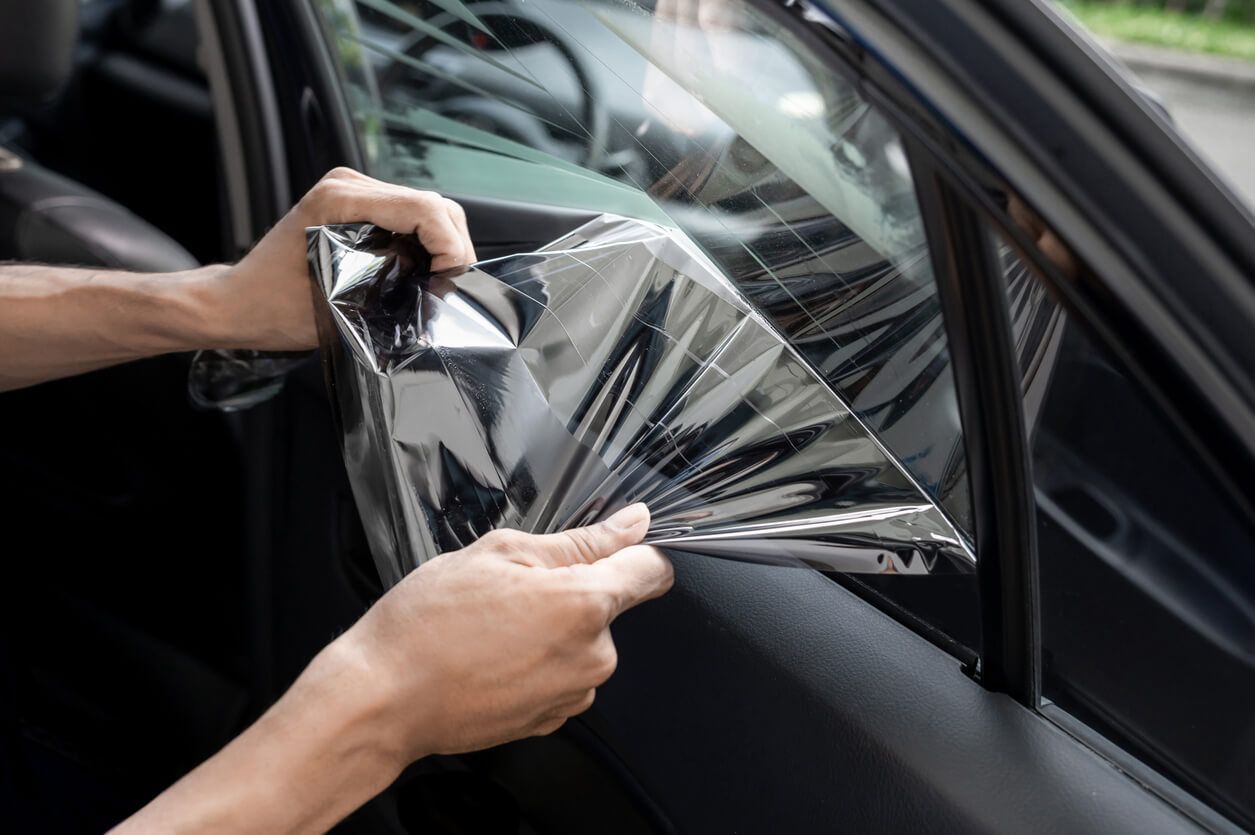
  • Peel, Spray, and Apply: Peel off the film backing, spray your window with a soapy solution, then carefully lay the film against the glass. Squeegee out bubbles as you go, working from the center to the corners to avoid trapping air or dust.


  • Smooth and Trim Excess: Cut away any overlap and ensure all corners are firmly pressed down. Rushing this step often leads to peeling, especially along edges or in areas exposed to frequent use (like power windows).


  • Letting It Cure: Allow the tint to cure for several days—avoid rolling down the windows or touching the film until the adhesive has set. Moving too quickly can undo all your hard work and lead to peeling or misalignment.


For many, the hardest part isn’t the initial installation, but managing the unexpected—tiny specks of dust, accidental folds, or backing that won’t peel off smoothly. It’s no wonder plenty of first-timers end up searching for "fix my DIY car window tint" by the end of the day!


Pros and Cons of the DIY Route


Taking the do-it-yourself route lets you control timing and potentially save money, but it also delivers unique challenges. Consider these points before making your choice:


Pros


  • Cost Savings: DIY kits cost less up front and are available for most vehicle makes and models—a great option if you’re on a tighter budget.


  • Flexible Schedule: You can work on your own time, pause or continue the process as needed, and even take a break to watch another video if you get stuck on a step.


  • Hands-On Satisfaction: There’s genuine satisfaction in seeing a window go from plain glass to perfectly tinted—from your own effort.


Cons


  • Process Complexity: DIY window tinting looks easy in videos, but in reality, it can be tedious, messy, and unforgiving. Missteps, like dust or misalignment, often mean starting over or accepting a less-than-perfect job.


  • Quality and Durability: Most consumer kits fall short of professional-grade films when it comes to heat rejection, UV protection, and adhesive strength. As a result, you might notice issues like peeling, fading, or bubbling within just a few months.


  • No Professional Support: Most DIY kits do not include meaningful warranties or expert help, so if you run into trouble, you’ll have to fix or redo the work yourself.


  • Potential Extra Cost: Mistakes can require buying additional rolls of film or even calling in a pro to fix the error, reducing or reversing any money saved.


Ultimately, tackling DIY car window tint is doable, but always have a realistic sense of your patience, precision, and prep skills before you start.


The Benefits of Professional Window Tinting Services


Opting for professional window tinting services provides precision, protection, and confidence that’s difficult to match with DIY kits. Trained installers use advanced techniques, high-quality tint films, and exact tools to ensure your car or property enjoys great looks and lasting performance. Whether you're interested in sleek limo tint, enhanced privacy, or maximum UV and heat blocking, a professional can help you achieve your goals without trial and error.


  • Flawless Appearance: Professionals ensure your window tint is free of bubbles, wrinkles, and misaligned edges. Custom trimming and smooth application give your windows that factory-finished look—something that is hard to achieve without experience.


  • Enhanced Protection: Top-tier window tint films offered by pros deliver greater UV and heat rejection, helping protect your car’s interior, skin, and dashboard from sun damage over the long term. This protection goes beyond aesthetics, helping your vehicle or property hold value for years.


  • Legal Compliance: Professional installers are familiar with local window tint regulations and ensure your tint meets legal requirements for shade and reflectivity, helping you avoid costly fines and the hassle of redoing non-compliant work.


  • Warranty Coverage: Most reputable shops provide robust warranty coverage that guards against peeling, fading, bubbling, and other film failures. If a problem pops up, it will be corrected at no extra cost—there is no need to troubleshoot or spend additional time and money.


  • Time Savings and Convenience: Professionals complete the job efficiently and take care of clean-up, so you don’t have to spend your weekend spraying, trimming, or fixing sticky mistakes. You’ll get impressive results with zero mess or stress.


  • Expert Recommendations: A pro can help you select the best tint film for your driving habits, climate, and style preferences, from the right shade to the most effective UV protection.


Working with a professional delivers long-term value and peace of mind. It frees you from the uncertainty and potential extra expense of DIY mistakes while ensuring your car or home’s windows are as practical and attractive as possible.


Common DIY Mistakes (and Why Pros Avoid Them)


No matter how many videos you watch, DIY window tinting is vulnerable to errors that professionals have learned to avoid through experience. Here are the most frequent pitfalls:


  • Bubbles and Dust: A clean workspace can’t guarantee a dust-free environment. Small particles and air pockets create bubbles that won’t disappear, leaving your glass with a less-than-ideal finish.


  • Misaligned Film: Pre-cut kits might make the job faster, but curves and tight corners often require precise adjustment. It's easy to wind up with a gap or an edge that doesn’t quite reach the trim.


  • Peeling and Short Lifespan: Lower-quality kits or poor prep can result in film peeling, fading, and losing adhesion in a matter of months, especially on windows exposed to lots of sun.


  • Sticky Mess: Getting the adhesive on your fingers, door panels, or trim can be a mess, making it hard to keep things neat and free of blemishes.


The easiest way to avoid these problems is meticulous prep, patience during each step, and choosing quality tint material—sometimes that means letting an expert handle the job.


How to Decide: Is DIY or Pro Tinting Right for You?


The choice between DIY and pro window tinting isn’t always straightforward. Consider your budget, available time, desire for perfect results, and willingness to watch (and re-watch) step-by-step guides. DIY can save money, but those savings sometimes vanish when a job has to be redone.


  • Budget vs. Results: Cheap kits may cost less upfront, but professionals deliver results that hold up longer and look better. If your car is new or you want a flawless finish, it's often worth paying more for professional installation.


  • Time & Skill: Tinting your windows can be rewarding if you have an eye for detail and aren’t in a rush. However, if you’d rather avoid the risk of peeling, glue residue, and frustration, consider delegating the job to an expert.


  • Appearance and Protection: Premium window tints enhance your car’s appearance and provide superior heat and UV ray blockage, helping your vehicle stay cooler and protecting your interior from sun damage over time.


  • Warranty and Follow-Up: Pros offer clear terms for warranty and follow-up; DIY kits, on the other hand, can leave you searching for replacement parts or advice if there’s a problem down the road.


Remember, you can contact a local window tinting specialist for a price quote, examples of their work, or free advice before making your final decision.

Upgrade Your Comfort and Style—Find the Right Window Tinting Solution for You


Tinting your car windows yourself can be fulfilling when done right, producing results you can be proud of. But for consistent quality, durability, and peace of mind, professional installation is the way to go. 


If DIY feels overwhelming, Premier Window Tinting offers fast, flawless tinting with long-lasting results so you can skip the hassle and still enjoy a perfect finish. As an authorized 3M dealer, we use only genuine 3M films—trusted worldwide for their exceptional clarity, heat rejection, and lifetime warranty—so you can be confident your investment is fully protected. 


Ready to take the next step toward better privacy, reduced heat, and a striking new look for your vehicle or windows? Get in touch with us today to book a consultation, get personalized advice, and experience professional results that you can rely on for years to come.


Expert Advice on Automotive, Residential, and Commercial Window Tinting
By Sino Baduza April 1, 2026
Protecting your retail space goes beyond alarm systems and security cameras. Your storefront windows represent one of the most vulnerable points in your building's security, while also serving as your business's face to the world. Whether you operate a boutique shop, restaurant, or commercial office, choosing the right window treatment impacts security, energy costs, customer comfort, and your bottom line. Two popular options for retail properties are storefront window tint and clear security film. While both offer valuable benefits, they serve different primary purposes and provide distinct advantages. Understanding these differences helps you make the right investment for your specific needs. At Premier Window Tinting in San Antonio, we help retail business owners evaluate their options and select window solutions that address their unique challenges. Let's explore the key differences between window tint and security film, their respective benefits, and how to determine which option works best for your storefront. Understanding Storefront Window Tint Storefront window tint refers to films applied to commercial glass that primarily control solar heat, reduce glare, and block UV radiation. These films come in various shades and can be reflective or non-reflective depending on your needs. Primary Benefits of Window Tint for Retail Heat Reduction and Energy Savings San Antonio's intense sun creates hot spots near storefront windows and glass doors, making the shopping experience uncomfortable for customers and expensive for business owners. Quality window tint can reduce heat gain by up to 60%, significantly lowering air conditioning costs. When customers walk through your door and immediately feel comfortable instead of overheated, they stay longer and browse more. Your HVAC system works less, reducing both energy bills and maintenance costs. UV Protection Ultraviolet radiation causes fading and discoloration in merchandise, displays, flooring, and furnishings. Window tint blocks over 99% of harmful UV rays, protecting your inventory investment and maintaining the appearance of your store interior. For retailers selling clothing, furniture, artwork, or any products displayed near windows, UV protection directly impacts product quality and reduces loss from sun-damaged inventory. Glare Reduction Intense glare from morning and evening sun makes it difficult for customers to see product displays clearly and can create uncomfortable bright spots throughout your store. Window tint eliminates this glare while maintaining natural light, creating a more pleasant shopping environment. Enhanced Privacy Depending on the darkness level, window tint provides varying degrees of privacy while still allowing natural light into your space. This works well for businesses that want to control visibility into the store while maintaining an open, welcoming atmosphere. Limitations of Standard Window Tint While window tint excels at solar control and comfort, it offers minimal security benefits. Standard tinting films don't significantly strengthen glass or prevent break-ins. If security is your primary concern, tint alone won't adequately protect your storefront. Understanding Clear Security Film Security window film focuses on reinforcing glass to prevent or delay forced entry, protect against smash-and-grab theft, and hold shattered glass together during break-in attempts or accidents. Primary Benefits of Security Film for Retail Smash-and-Grab Prevention Security films create a barrier that holds glass together even when struck forcefully. During a smash-and-grab attempt, the film prevents glass from immediately shattering and falling away, making it difficult for intruders to quickly gain access. This delay often discourages criminals who rely on speed. Many smash-and-grab attempts are abandoned when thieves encounter unexpected resistance from security film. Protection Against Glass Injury When storefront glass breaks, whether from attempted break-ins, accidents, or severe weather, security film holds the shattered pieces together. This prevents dangerous glass shards from injuring customers, employees, or passersby. For liability-conscious business owners, this protection offers important peace of mind and potentially reduces insurance claims related to glass injuries. Vandalism Resistance Security film makes it harder for vandals to damage your storefront glass. While determined vandals can still cause damage, the film significantly increases the effort required, often deterring casual vandalism. Storm Protection In severe weather, security film helps prevent window blowouts from flying debris. The film holds broken glass in place rather than allowing it to scatter throughout your store, protecting both people and merchandise. Clear vs Tinted Security Film Security films come in both clear and tinted versions. Clear security film provides all the protective benefits without changing the appearance of your storefront. This appeals to businesses that want to maintain maximum visibility and natural light while adding security. Tinted security films combine protective properties with solar control benefits, offering a hybrid solution that addresses multiple needs. Key Differences: Window Tint vs Security Film Primary Purpose Window Tint: Solar control, heat reduction, UV protection, glare elimination Security Film: Break-in prevention, glass reinforcement, shatter protection Film Thickness Window Tint: Typically 1-3 mils thick, designed for solar performance Security Film: Usually 4-15 mils thick, designed for strength and impact resistance Impact Resistance Window Tint: Minimal impact resistance, easily penetrated Security Film: High impact resistance, holds glass together when struck Installation Considerations Window Tint: Standard application to interior glass surface Security Film: Often requires edge-to-edge installation and may include anchoring systems for maximum effectiveness Cost Comparison Window Tint: Generally lower cost per square foot Security Film: Higher cost due to thicker material and more complex installation Which Option Is Right for Your Retail Space? Selecting between window tint and security film, or determining if you need both, depends on your specific challenges and priorities. Choose Window Tint If: Your primary concern is reducing energy costs and improving customer comfort You need UV protection for merchandise and displays Glare from the sun creates visibility or comfort issues You want some privacy without sacrificing natural light Break-ins and vandalism are not major concerns in your area Window tint makes excellent sense for retail spaces with large glass areas that create heat and glare problems. The energy savings often pay for the installation within a few years. Choose Security Film If: Your location experiences frequent break-in attempts or smash-and-grab incidents You store high-value merchandise near windows Your storefront has experienced vandalism You're concerned about liability from broken glass injuries You want to meet insurance requirements for security improvements Security film provides essential protection for retailers in high-crime areas or those dealing with valuable inventory displayed near street-facing windows. Consider Combination Solutions If: You face both solar control and security challenges You want comprehensive protection covering multiple concerns Your budget allows for investing in both benefits Many retail locations benefit from combination approaches. You might install security film on street-facing windows for protection while using standard solar film on other windows for energy efficiency. Alternatively, tinted security films offer both benefits in a single product. What About Decorative and Privacy Options? Beyond basic window tint and security film, retail businesses can also consider: Frosted Films Frosted window films provide privacy while allowing natural light transmission. These work well for offices, service counters, or storage areas where you want to block visibility without darkening the space. Decorative Films Custom graphics, patterns, and branded designs can be incorporated into window films, creating visual interest while providing functional benefits. These options help with branding and aesthetics while potentially offering privacy or solar control. One-Way Mirror Films These films allow you to see out clearly while limiting visibility into your store. They work best in specific lighting conditions and can reduce the "come in and browse" appeal of retail spaces, so consider your business model carefully. Professional Installation Makes the Difference Whether you choose window tint, security film, or a combination solution, professional installation is essential for optimal performance. DIY installation of security film rarely achieves the proper adhesion or edge-to-edge coverage needed for effectiveness. Poorly installed security film may peel, bubble, or fail to hold glass together as intended. Similarly, window tint requires proper surface preparation, precise cutting, and expert application to avoid bubbles, gaps, or premature failure. At Premier Window Tinting, our experienced team has installed thousands of square feet of commercial window film throughout San Antonio. As an authorized 3M™ dealer, we work with industry-leading products backed by comprehensive warranties. Additional Considerations for Retail Spaces Local Building Codes and Regulations Some municipalities have specific requirements or restrictions regarding window tinting darkness levels or reflectivity on commercial properties. Always verify local codes before making your selection. Insurance Requirements Some insurance policies offer discounts for security improvements like protective window film. Check with your insurance agent about potential savings that might offset installation costs. Conversely, some policies may have specific security requirements to maintain coverage. Security film might help you meet these requirements. Lease Agreements If you rent your retail space, review your lease agreement regarding window modifications. Most window films can be removed without damaging glass, but some landlords have specific policies about tenant alterations. Lighting and Aesthetics Consider how your window film choice affects both interior and exterior appearance. Very dark tints might make your store look closed or unwelcoming during the day, while clear options maintain maximum visibility. Test samples in your actual lighting conditions before committing to a full installation. Maintenance and Longevity Both window tint and security film require proper maintenance for optimal longevity. Cleaning Guidelines: Use ammonia-free, tint-safe cleaning products Clean with soft microfiber cloths Avoid abrasive materials or sharp objects Follow manufacturer-specific care instructions Expected Lifespan: Standard window tint: 7-10 years Premium ceramic tint: 10-20+ years Security film: 10-15 years With proper care and professional installation, quality window films provide years of reliable performance and protection. Making Your Decision Choosing between storefront window tint and security film comes down to identifying your primary needs: For solar control, energy savings, and customer comfort , window tint delivers excellent value and quick return on investment through reduced cooling costs. For security, break-in prevention, and liability protection , security film provides essential reinforcement that standard tint cannot match. For comprehensive protection addressing both concerns, consider either tinted security film or a combination approach using different films for different applications. At Premier Window Tinting , we offer free estimates for commercial window film installations throughout San Antonio. Our team evaluates your specific situation, discusses your priorities and budget, and recommends solutions tailored to your retail space. With 30+ years of experience installing 3M™ window films for commercial properties, we understand the unique challenges facing retail businesses. Whether you need basic solar control, advanced security protection, or custom solutions combining multiple benefits, we have the expertise and products to meet your needs. Ready to protect your storefront while improving comfort and reducing costs? Contact Premier Window Tinting today for a free consultation and estimate. We'll help you choose the right window film solution for your retail business.
By Muhammad Sufyan March 13, 2026
Advantages of ceramic coating explained discover how it protects car paint, boosts shine, repels dirt, and reduces maintenance for long lasting results.
Car Paint Protection
March 12, 2026
Looking for paint protection film near me in San Antonio? Premier Window Tinting installs self-healing PPF in gloss, matte, or color with warranty.
More Posts