

Ceramic Coating: Advantages That Outshine the Disadvantages
For car owners and enthusiasts, protecting a vehicle’s paint is more than just aesthetic; it’s about preserving value and maintaining a showroom-quality finish. Ceramic coating offers a durable, long-lasting layer of protection that repels dirt, water, and harmful chemicals, reducing the need for frequent washing and detailing.
By understanding the advantages of ceramic coating, including its resistance to scratches and environmental damage, you can see why many drivers choose it over traditional waxes or sealants. While no solution is completely without drawbacks, ceramic coating delivers impressive protection and convenience, making it a compelling option for both daily drivers and luxury cars alike.
This guide explores the key benefits, potential drawbacks, and essential maintenance tips to help you decide whether ceramic coating is right for your vehicle.
What Is Ceramic Coating?
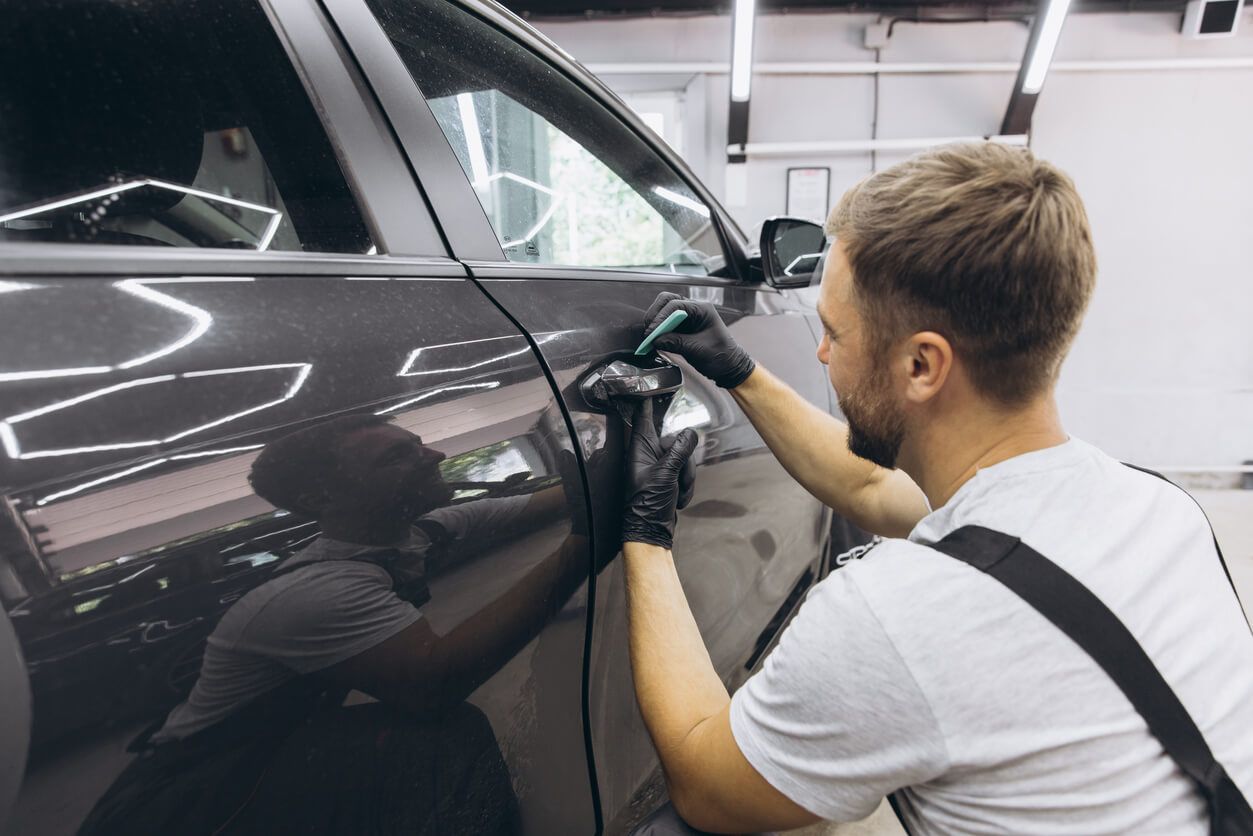
Ceramic coating is an advanced chemical polymer solution with silicon dioxide, professionally applied for superior protection. It chemically bonds to your vehicle's factory paint, forming a semi-permanent, tough protective barrier and hydrophobic layer that repels water and environmental contaminants. Many drivers choose ceramic coating for cars because it offers far better defense than traditional wax, making maintenance much easier and providing true long-term value.
Adding a hydrophobic layer to your car's paint with ceramic coating basics helps dirt, water, and mud bead up and roll off. It reduces stain marks and water spots. The glossy finish protects against external paint damage and makes maintenance easier than traditional wax, saving time and effort with every wash.
Advantages of Ceramic Coating
If you're wondering why so many car enthusiasts choose this technology, consider these advantages of ceramic coating. Each point affects aesthetics, maintenance, and long-term value, helping to keep your paint job and vehicle looking new. Review these highlights before making your decision. These benefits show what sets ceramic coating apart.
- Outstanding Paint Protection: Delivers a resilient, robust layer that shields your vehicle's paint from UV rays, acid rain, tree sap, bird droppings, water spots, and harsh chemicals. This minimizes external paint damage from daily use and environmental exposure.
- Hydrophobic Surface & Repels Dirt: Creates a hydrophobic barrier that causes water to bead up and repel dirt. Grime can't stick to your vehicle's exterior, making each car wash routine quick and effortless.
- Enhanced Gloss & Glossy Finish: Nano-ceramic coating creates a deep, high-gloss layer. The "showroom shine" delivers a standout look highly valued by car fanatics and drivers who appreciate premium aesthetics.
- Scratch Resistance & Surface Preservation: While not fully scratch-proof, ceramic coatings enhance scratch resistance and help limit swirl marks and minor scratches from routine maintenance—helping reduce the need for frequent paint correction.
- Chemical and UV Protection: Excellent chemical resistance and UV protection block harmful UV rays, shielding your paint from chemical etching, stains, and sun-induced fading, especially in tough climates.
- Reduces Maintenance, Saves Time: Since dirt and contaminants don’t stick as easily, you'll spend less time on regular washing, detailing, and paint correction—making upkeep lower hassle overall.
- Long-Term Value and Investment: Offers long-term protection that helps maintain the value of luxury or high-mileage vehicles, making ceramic coating worth the initial cost for many car enthusiasts.
Disadvantages of Ceramic Coating
While the ceramic coating's advantages are impressive, be sure to consider its disadvantages before making your decision. Understanding these limitations can help you plan the best protection strategy for your car. These drawbacks make it clear when to combine ceramic coating with other solutions. Every realistic choice comes with some trade-offs.
- Not Completely Damage-Proof: Even top-quality coatings aren’t impervious to deep scratches, stone chips, or rock chips. For areas at high risk of impact, paint protection film is recommended as a complement.
- Initial Cost & Professional Application: An industry-grade ceramic coating typically costs more than waxes or sealants. Proper professional installation, often including paint correction to the clear coat, is needed for the best results.
- Skill-Dependent Results: Proper surface prep and attention to chemical bonding are vital. Inexperienced application can leave flaws or uneven gloss, undermining the coating's chemically intrinsic properties.
- Ongoing Regular Maintenance: While easier overall, ceramic coating still requires prompt removal of debris—such as tree sap, bird droppings, and harsh chemicals—to prevent etching or staining and maintain a strong hydrophobic effect.
- Not a Complete Substitute: For superior protection, ceramic coating should be combined with paint protection film in high-risk zones. The film absorbs heavy impacts, while the coating protects against chemicals and provides shine.
Ceramic Coating Pros and Cons: A Quick Reference
Use this quick-reference table to review ceramic coating for cars pros and cons before you invest in your paint’s future. Comparing features side by side makes it easier to match this technology to your real protection needs. The biggest advantages and disadvantages are listed for confident decision-making.
See how benefits and trade-offs balance for long-term care.
| Aspect | Pros | Cons |
|---|---|---|
| Hydrophobic Layer | Ceramic coating provides a strong hydrophobic barrier that repels water, prevents dirt buildup, reduces water spots, and reduces the need for frequent washing. | May require periodic maintenance for optimal performance; neglect can reduce hydrophobicity and make cleaning more difficult over time. |
| Cleaning & Maintenance | Simplifies car washing and detailing; contaminants and grime can't easily bond to the slick, glossy layer, making cleaning easier. | If contaminants remain too long, etching can occur. Annual check-ups and consistent cleaning are still important for the best results. |
| UV Protection & Heat Resistance | Shields your paint from UV rays, fading, oxidation, and heat damage in hot conditions or heavy sun exposure. | Years of outdoor parking can wear down UV resistance. Regular inspections help confirm continued effectiveness. |
| Surface Appearance | Preserves vehicle's appearance, gloss, and color. A high-gloss, clear finish appeals especially to car fanatics and enthusiasts. | Poor prep may lock in imperfections or yield uneven gloss. Paint correction may be needed to start with a pristine surface. |
| Scratch Resistance | Offers added protection against minor scratches and swirl marks from everyday road debris and gentle washes. | Not scratch-proof—stone chips and deep scratches may still penetrate and need extra protection like film in high-risk areas. |
| Chemical Resistancen | Defends against chemical stains, harsh cleaners, acid rain, sap, and bird droppings for year-round superior paint protection. | Strong chemicals or neglect can cause external paint damage and undermine chemical properties, making regular care essential. |
| Longevity & Value | Ceramic coating advantages include a long-lasting shine, reduced exterior paint damage, and a higher resale value for well-maintained cars. | The initial cost is higher than wax or sealant; expert professional installation is usually required for optimal durability and even coverage. |
| Installation Quality | Expert application ensures maximum protection, flawless coverage, and maintains chemical bonding and appearance for years. | DIY kits can lead to uneven layers. Professional paint correction is key to ensuring a truly flawless, glossy finish. |
Pros and Cons of Ceramic Coating on Cars: What to Remember
Considering the pros and cons of ceramic coating on cars is crucial before investing, as use, garage situation, and budget all matter. The benefits are magnified for drivers who park outside, travel frequently, or face frequent environmental damage. Review these paired insights to see where ceramic coating fits your driving lifestyle. The leading factors are covered below.
| Key Factor | Pros | Cons |
|---|---|---|
| Durability vs. Maintenance | Much longer-lasting surface durability; less frequent upkeep for those wanting hassle-free, consistently clean paint and gloss. | Still requires regular care in harsh environments; no ceramic coating is maintenance-free or perfect in all climates. |
| Gloss & Preservation vs. Limits | Enhanced gloss and paint preservation create a new, showroom look that lasts much longer than possible with wax or sealant. | Coating will not hide deep scratches, remove existing blemishes, or restore a neglected finish.? |
| Environmental Resistance | Guards against UV rays, acid rain, tree sap, and daily contaminants. These protections matter most in tough or unpredictable climates. | Repeated neglect or severe damage shortens effectiveness. Adding other protection, like film, can help in the harshest scenarios. |
| Driving & Usage Habits | High-mileage or outdoor vehicles benefit most from long-lasting protection. Less frequent washing is needed compared to traditional options. | Garage-kept, low-mileage vehicles may cost less but may offer less protection, depending on how much protection is realistically needed. |
| Professional Installation vs. DIY | Professional paint correction and expert application offer the best appearance, performance, and lasting value from your investment. | DIY applications increase the risk of uneven or incomplete coverage; professional services almost always deliver more consistent and reliable results. |
Deciding Based on Ceramic Coating Advantages and Disadvantages
Carefully weighing the advantages and disadvantages of ceramic coating is smart for both car enthusiasts and daily drivers. Long-term protection, simple cleaning, and visual improvements are major benefits for most. These final points summarize key reasons why ceramic coating is often chosen.
- Long-Term Value: Enjoy lasting shine and easier washing, especially valuable for vehicles in harsh sun or driven daily in variable weather.
- Ideal for Combination: Use as part of a layered defense with paint protection film for complete protection on exposed panels and bumpers.
- Enhanced Maintenance Efficiency: Less time on routine care means more time to simply enjoy your vehicle’s beauty and comfort.
- Preserved Aesthetics: Maintain a high-gloss finish year-round and keep your paint looking fresh, new, and eye-catching.
- Flexible Protection: Tailor your coating plan according to your driving habits, climate, and car use—customizing protection where it’s needed most.
Unlock Superior Protection and Lasting Shine With Ceramic Coating
At Premier Window Tinting, we’re dedicated to helping you see the real advantages of ceramic coating for your car's paint job. Our team guides you through the pros and cons of ceramic coating, helping you make a confident choice for advanced protection. Count on us to maximize both performance and appearance with expert care for every vehicle.
Interested in long-lasting paint protection?
Contact us today or visit our shop to see real ceramic-coated vehicles and learn which option best fits your car.
Expert Advice on Automotive, Residential, and Commercial Window Tinting